
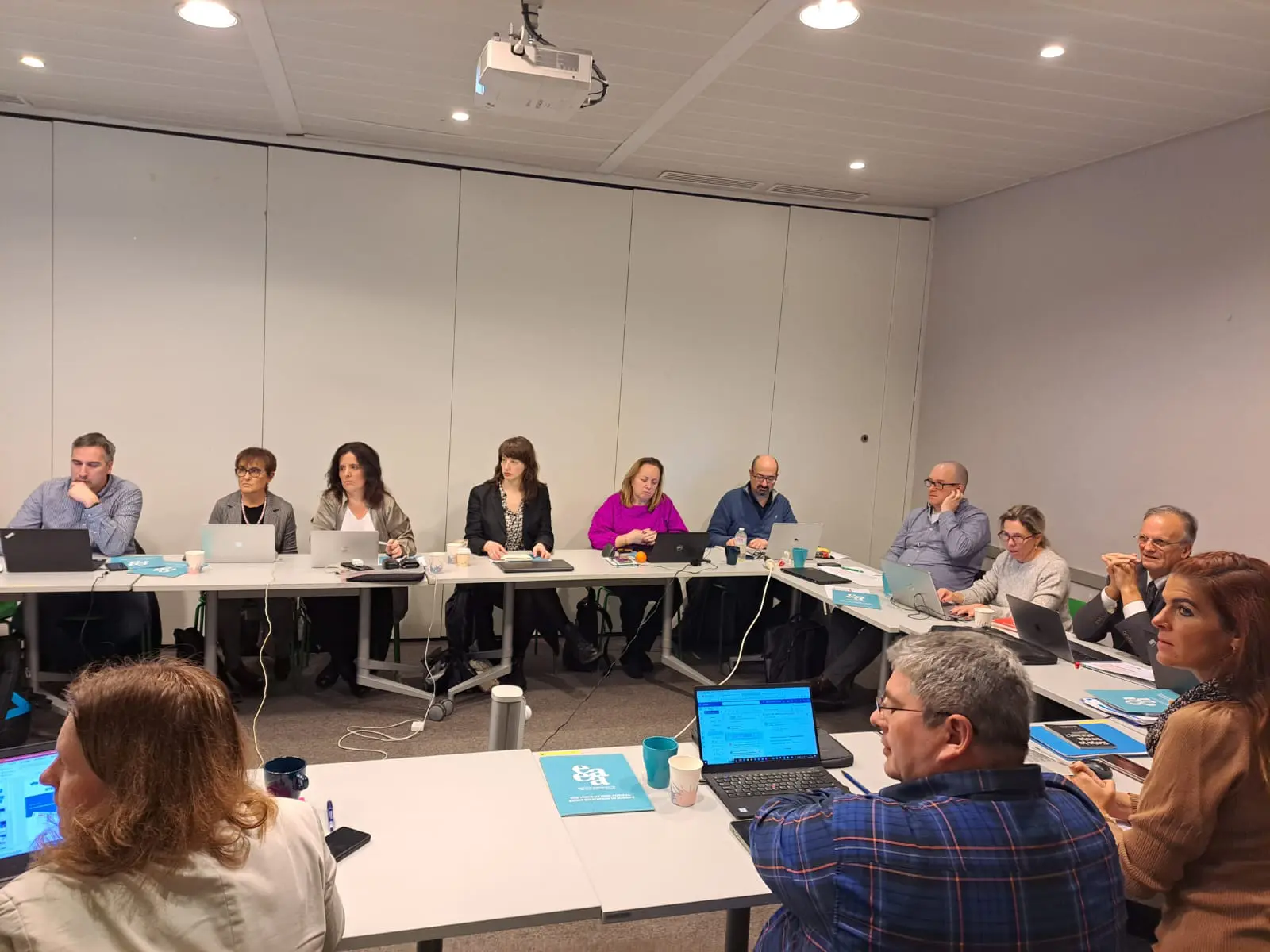
Project partners referred to a new survey of adult education which shows the need for more sustainable, relatale employment for those working in adult learning across Europe.
It also shows that the most influential players are private organisations, for profit, rather than public organisations. And it shows that, consistently across Europe, adults from more under-resourced communities or those living in poverty are less likely to have access to education, and that adult learning is more likely to be open and available to people who already have jobs and a relatively high level of education.
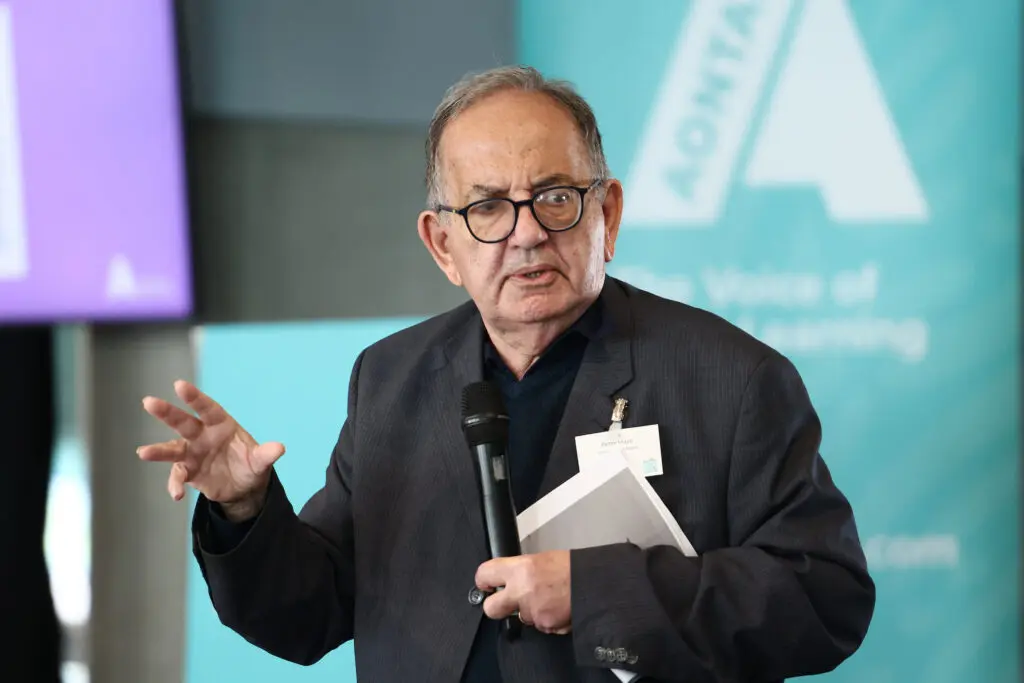
However, the conference featured a presentation from Anne Rudisuhli on mentoring in lifelong learning, where she suggested mentoring as as a tool for adult learning regionally. There was a focus on skills and employment for this discussion, including how mentoring could help people to work better and have better career advancement.
Elisabeth Verniers gave a presentation on a programme called “Duo for a Job”, in which a mentor shares knowledge with a mentee – especially someone coming to their region in Belgium from abroad. It focuses on social cohesion and solidarity. There was also an employment focus here, although there were benefits reported for individuals on a personal and social basis too, including how 90% of mentors report increased self-confidence, changes in perception of people from other countries, and greater empathy towards others.
Lessons learned from RegALE
- Policies must focus more on the learners, identifying and acting on what people need
- There is an ongoing focus on labour market needs and skills, which often excludes people from disadvantaged backgrounds or those who haven’t had the opportunity to access education
- There is an increased focus across Europe on numbers and metrics than about the quality of learning outcomes
The most significant finding from the project is the importance of relationships between adult learning organisations and civil society organisations, especially for non-formal learning, and the need to continue to strengthen those and build on the networks that the RegALE project has developed.

Recommendations include more international study visits and opportunities to learn different approaches to adult education, and ways to apply them in local regions.
Find out more about the RegALE project here.
For more on our European project work, check out aontas.com and find us on Twitter/X, Facebook, Instagram and LinkedIN for the latest updates.