
What happens when those with an interest in adult learning come together to build shared understanding? An Example from Northern Ireland
Written by Larisa Sioneriu and Dr Eve Cobain
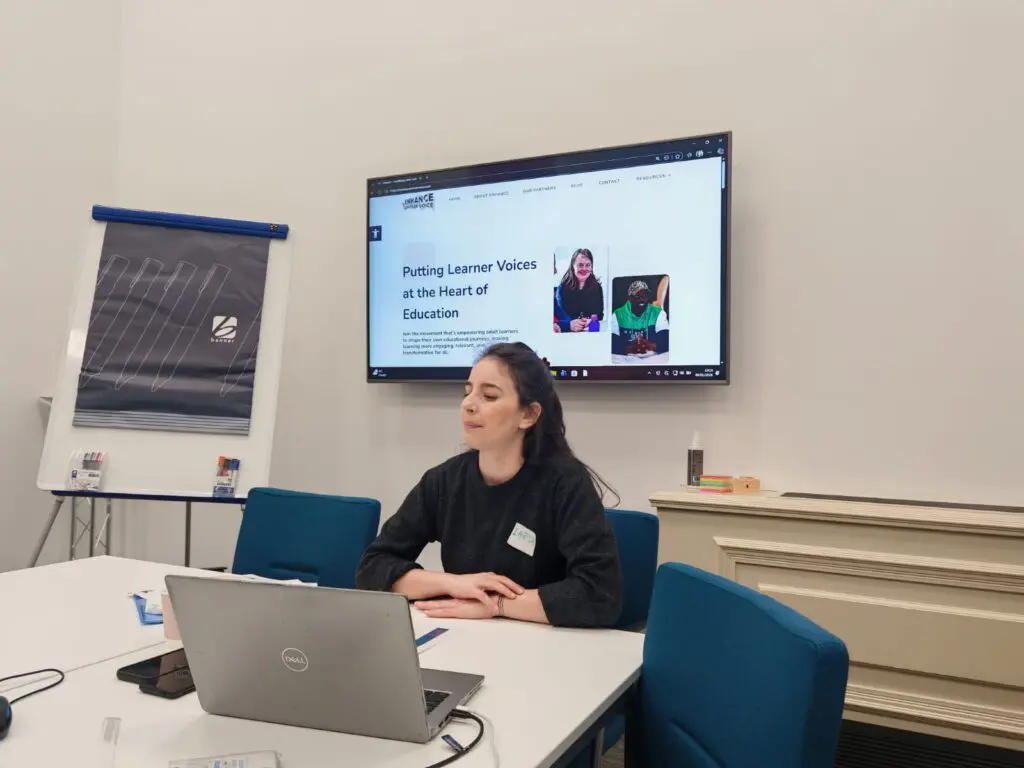
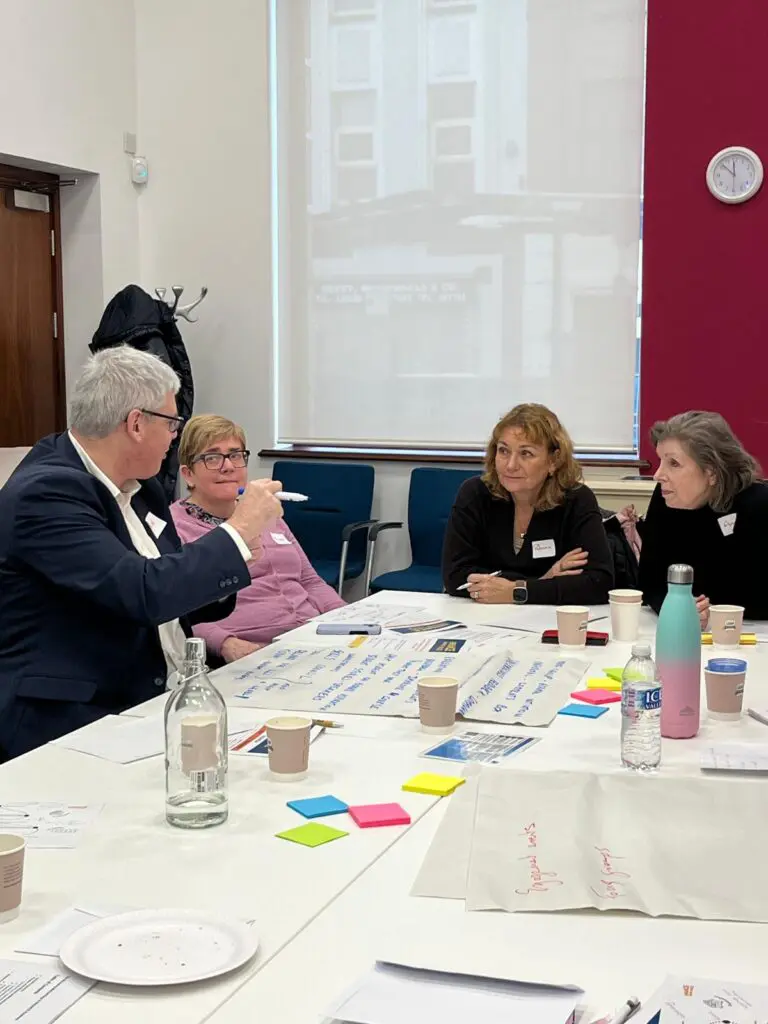
Earlier this year, our EU Projects Coordinator, Larisa Sioneriu, and Senior Research Officer, Eve Cobain, facilitated a dynamic day of sharing, discussion, and strategising among learners, practitioners, and policymakers at the Open University in Belfast. The opportunity enabled by the Erasmus + EU project, ENHANCE – Amplifying Adult Learners Voices, of which AONTAS is a proud partner.
‘I enjoyed being here meeting so many viewpoints and experiences; fascinated with all the different aspects.’ said one of the participants.
This workshop was designed to bring together diverse actors within the adult education space including learners, practitioners and policy stakeholders, to test the ENHANCE Roadmap. The tool has been developed by this EU-funded project to provide a comprehensive resource that prompts different ways of thinking about the representation, visibility and active participation of learners in the decision-making processes that concern their learning experience.
The attendees included two learners, as well as three practitioners from the Women’s TEC, Rural Community Network and Clanrye Group, and two representatives from the Department for the Economy NI.
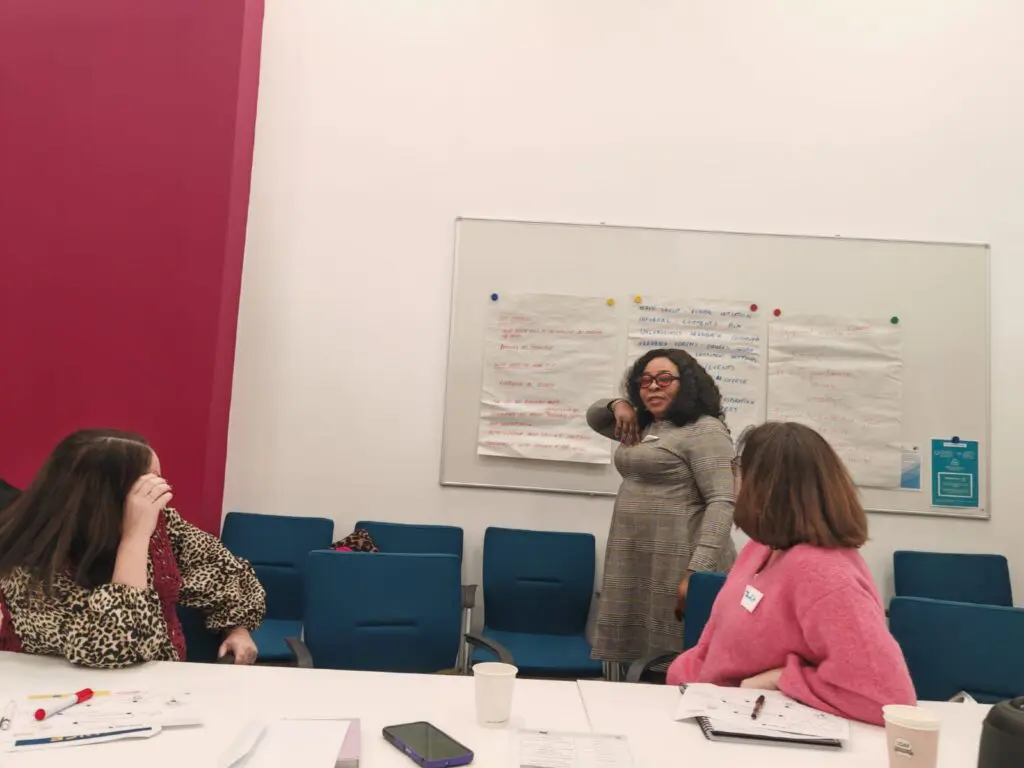
During the workshop, participants explored key topics from their own perspectives, whether as learners, practitioners, or policymakers. The discussions fostered meaningful connections and built bridges between different experiences.
Participants reported that it was particularly valuable to have the opportunity to speak with people they would not normally meet.
‘I think the most valuable aspect was that we got so many different viewpoints – providers, statutory organisations, and most importantly the learners themselves’, said one practitioner.
One learner expressed that they felt that there was ‘a lot of warmth in the room and it’s great to meet people I haven’t met before.’
The policymakers also appreciated the value of sitting with learners and practitioners to discuss important issues relating to learner voice practices, saying that they were ‘very grateful for the opportunity and realise the importance of listening to all voices.
Participants also reported that they were able to be themselves and did not feel concerned that they needed to censor themselves in the discussions despite the diverse experiences and viewpoints in the room. Discussions were raw, honest, and respectful. All participants expressed empathy and understanding towards the challenges each faced, while recognising how important adult education and learner voice is for both individuals and society at large.
‘What a great level of maturity is there in the room’, highlighted one practitioner. ‘Ten years ago, there would have been an ‘us vs. them’ (practitioners vs. the government) mentality.’
The rich conversations highlighted both challenges and opportunities to strengthen adult education and to include learners’ voices in more substantial ways. Hearing each perspective and becoming aware of the limitations and pressures people face in their respective roles proved especially illuminating and helped to foster understanding and connection between participants.
This increased awareness of everyone’s unique realities led to a collective commitment to ensuring that there is greater dialogue between key stakeholders in adult learning so that the sector can become more inclusive, responsive, and grounded in the lived experience of learners.
In practical terms, this commitment could be seen through the group’s ability to work together on strategies and ideas around how to better advocate for adult learning in Northern Ireland. All participants shared examples from their own experience and agreed that listening to learners and those who work with learners, as well as lobbying and active advocacy, are the most efficient ways of ensuring that adult learning remains on the agenda and receives the support it needs.
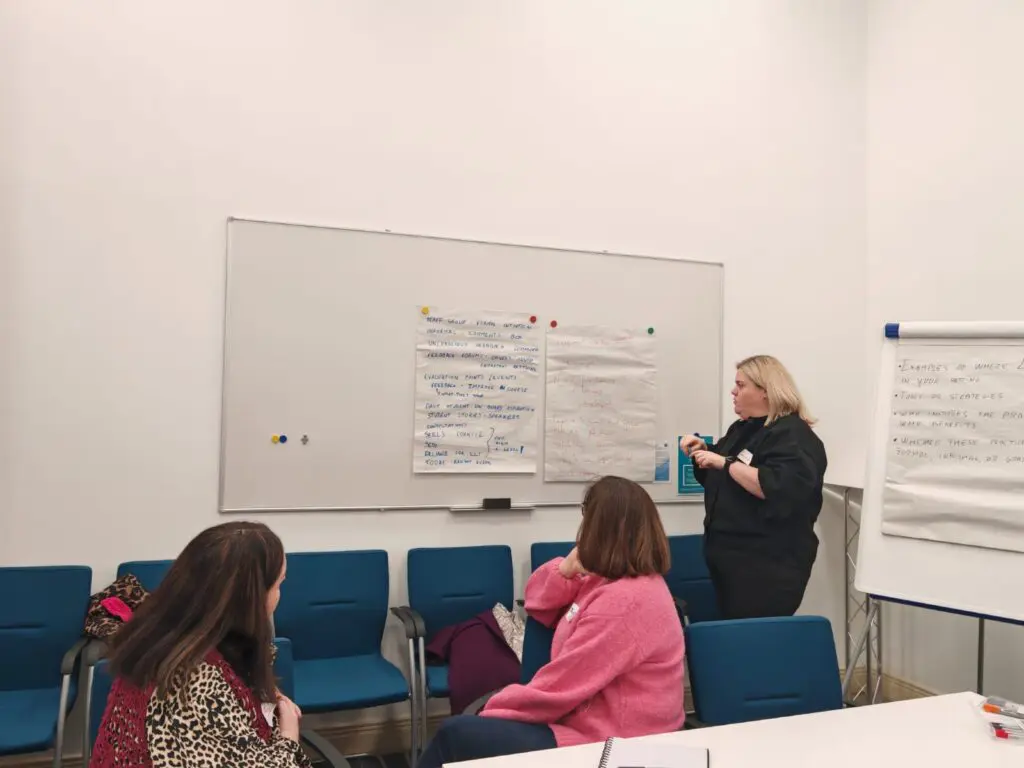
Participants also reflected on the idea that change is continuous and not linear – ‘it is a circle, constant and never-ending’. At times, certain voices may be given more weight than others, which should not be the case. Because of this, the message needs to be repeated, revisited in new contexts, and kept alive. Ongoing communication and connected networks are essential to making that happen.
Another participant highlighted the importance of making space for reflection: ‘Taking time out to reflect on how learner voice is integral to the sustainability of a strong community’.
Some of the topics covered in this workshop included:
- Examples of where learner voice exists in their setting, including tools or strategies used (e.g. councils, peer support, policy feedback, storytelling)
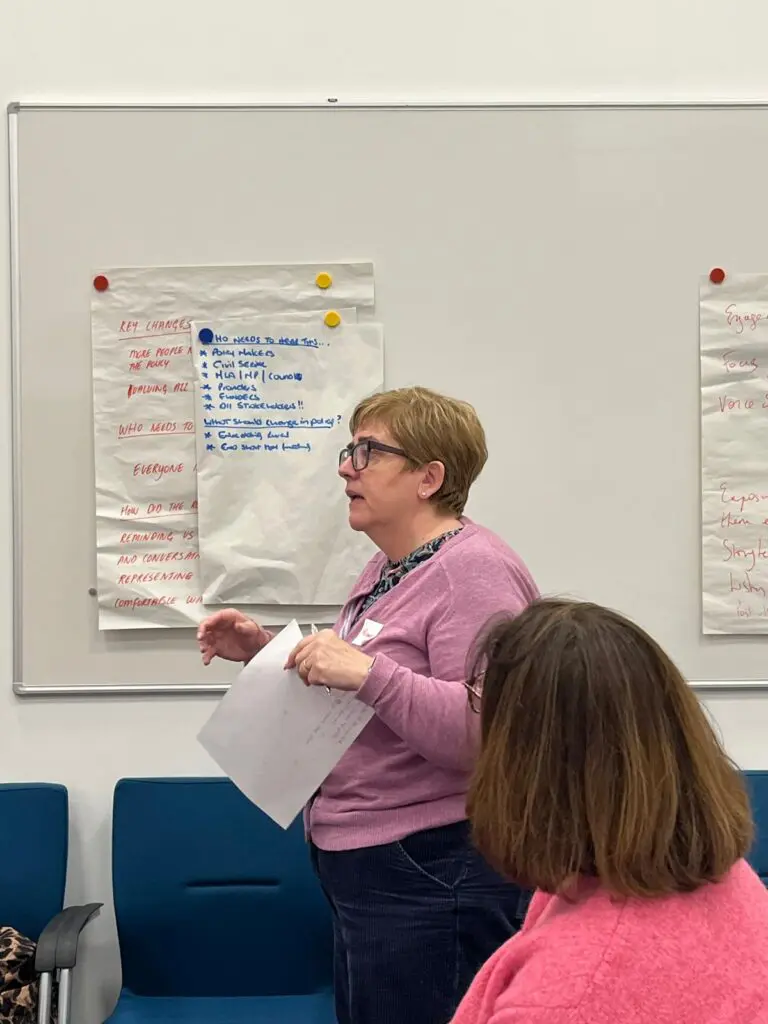
- Reflections on what should change in policy and who needs to hear the issues
- Shared experiences on times when a learner voice initiative faced strong resistance, their voice (or someone else’s) was not taken seriously, or a promising action hit a “dead-end” (policy, funding, internal power dynamics, etc.) and what strategies and actions helped overcome these barriers.
The workshop not only provided an opportunity for such rich discussions and meaningful connections to take place but also gathered valuable feedback on the Roadmap itself (see below).
Each country partner to the ENHANCE project carries out a similar workshop, where feedback is gathered to improve the current road map developed, so that this tool and model can continue to prompt these kinds of conversations and opportunities to create collective action plans on how to include the voice of the adult learners at the heart of their learning and participation in society.
Looking Ahead
The ENHANCE Roadmap is one of the many resources developed by this European Union funded project, to facilitate the proactive and conscious design of vital spaces that enable a meaningful participation of the voice of learners in their learning process and in the broader decision-making processes within Adult Education.
In addition to the Roadmap, two supporting resources have been designed to facilitate the exploration of the various opportunities and possible ways in which the learner’s voice can be included. These resources are a comprehensive policy recommendation and a series of three booklets co-created with learners, that highlight the lived experience dimension of the learners.
For more info about ENHANCE, and accessing all resources developed throughout this project please visit its website or get in touch with Larisa at lsioneriu@aontas.com.
News
The very latest news from the adult and community education sector
Blog
What happens when those with an interest in adult learning come together to build shared understanding? An Example from Northern Ireland
23 February 2026
What happens when those with an interest in adult learning come together to build shared understanding? An Example from Northern...
Blog
Celebrating Community, Hope, and Achievement with Acorn Youth Work Ireland Midlands, Education and Training Service
12 February 2026
Celebrating Community, Hope, and Achievement with Acorn Youth Work Ireland Midlands, Education and Training Service Written by Lorraine O’Connor Published...
News
AONTAS Statement on Voluntary and Community Sector Cuts in Northern Ireland
3 February 2026
AONTAS Statement on Voluntary and Community Sector Cuts in Northern Ireland Written by Conor Thompson Published on February 3, 2026...
News
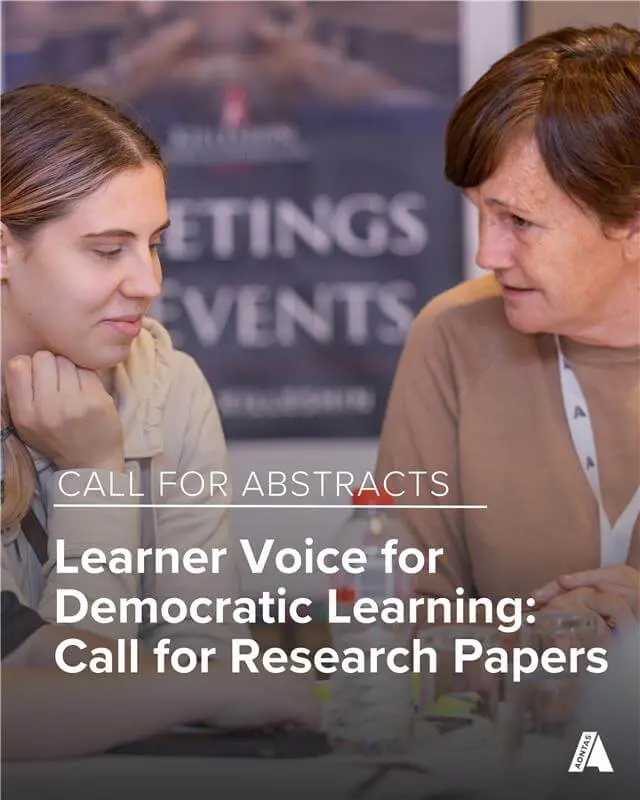
Call for Abstracts | Fourth International Conference of the Scuola Democratica
23 January 2026
News
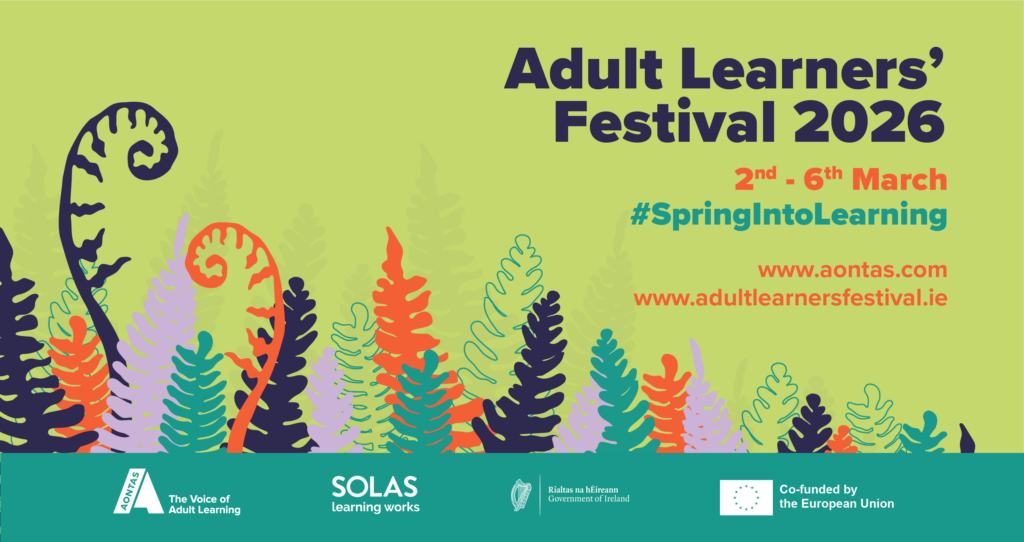
Spring Into Learning with the 2026 AONTAS Adult Learners’ Festival
20 January 2026
Spring Into Learning with the 2026 AONTAS Adult Learners’ Festival Written by Megan Fearon Published on January 20, 2026 Share...
News
AONTAS Announces 2026 STAR Awards Shortlist!
16 January 2026
What happens when those with an interest in adult learning come together to build shared understanding? An Example from Northern Ireland
Written by Larisa Sioneriu and Dr Eve Cobain
Earlier this year, our EU Projects Coordinator, Larisa Sioneriu, and Senior Research Officer, Eve Cobain, facilitated a dynamic day of sharing, discussion, and strategising among learners, practitioners, and policymakers at the Open University in Belfast. The opportunity enabled by the Erasmus + EU project, ENHANCE – Amplifying Adult Learners Voices, of which AONTAS is a proud partner.
‘I enjoyed being here meeting so many viewpoints and experiences; fascinated with all the different aspects.’ said one of the participants.
This workshop was designed to bring together diverse actors within the adult education space including learners, practitioners and policy stakeholders, to test the ENHANCE Roadmap. The tool has been developed by this EU-funded project to provide a comprehensive resource that prompts different ways of thinking about the representation, visibility and active participation of learners in the decision-making processes that concern their learning experience.
The attendees included two learners, as well as three practitioners from the Women’s TEC, Rural Community Network and Clanrye Group, and two representatives from the Department for the Economy NI.
During the workshop, participants explored key topics from their own perspectives, whether as learners, practitioners, or policymakers. The discussions fostered meaningful connections and built bridges between different experiences.
Participants reported that it was particularly valuable to have the opportunity to speak with people they would not normally meet.
‘I think the most valuable aspect was that we got so many different viewpoints – providers, statutory organisations, and most importantly the learners themselves’, said one practitioner.
One learner expressed that they felt that there was ‘a lot of warmth in the room and it’s great to meet people I haven’t met before.’
The policymakers also appreciated the value of sitting with learners and practitioners to discuss important issues relating to learner voice practices, saying that they were ‘very grateful for the opportunity and realise the importance of listening to all voices.
Participants also reported that they were able to be themselves and did not feel concerned that they needed to censor themselves in the discussions despite the diverse experiences and viewpoints in the room. Discussions were raw, honest, and respectful. All participants expressed empathy and understanding towards the challenges each faced, while recognising how important adult education and learner voice is for both individuals and society at large.
‘What a great level of maturity is there in the room’, highlighted one practitioner. ‘Ten years ago, there would have been an ‘us vs. them’ (practitioners vs. the government) mentality.’
The rich conversations highlighted both challenges and opportunities to strengthen adult education and to include learners’ voices in more substantial ways. Hearing each perspective and becoming aware of the limitations and pressures people face in their respective roles proved especially illuminating and helped to foster understanding and connection between participants.
This increased awareness of everyone’s unique realities led to a collective commitment to ensuring that there is greater dialogue between key stakeholders in adult learning so that the sector can become more inclusive, responsive, and grounded in the lived experience of learners.
In practical terms, this commitment could be seen through the group’s ability to work together on strategies and ideas around how to better advocate for adult learning in Northern Ireland. All participants shared examples from their own experience and agreed that listening to learners and those who work with learners, as well as lobbying and active advocacy, are the most efficient ways of ensuring that adult learning remains on the agenda and receives the support it needs.
Participants also reflected on the idea that change is continuous and not linear – ‘it is a circle, constant and never-ending’. At times, certain voices may be given more weight than others, which should not be the case. Because of this, the message needs to be repeated, revisited in new contexts, and kept alive. Ongoing communication and connected networks are essential to making that happen.
Another participant highlighted the importance of making space for reflection: ‘Taking time out to reflect on how learner voice is integral to the sustainability of a strong community’.
Some of the topics covered in this workshop included:
- Examples of where learner voice exists in their setting, including tools or strategies used (e.g. councils, peer support, policy feedback, storytelling)
- Reflections on what should change in policy and who needs to hear the issues
- Shared experiences on times when a learner voice initiative faced strong resistance, their voice (or someone else’s) was not taken seriously, or a promising action hit a “dead-end” (policy, funding, internal power dynamics, etc.) and what strategies and actions helped overcome these barriers.
The workshop not only provided an opportunity for such rich discussions and meaningful connections to take place but also gathered valuable feedback on the Roadmap itself (see below).
Each country partner to the ENHANCE project carries out a similar workshop, where feedback is gathered to improve the current road map developed, so that this tool and model can continue to prompt these kinds of conversations and opportunities to create collective action plans on how to include the voice of the adult learners at the heart of their learning and participation in society.
Looking Ahead
The ENHANCE Roadmap is one of the many resources developed by this European Union funded project, to facilitate the proactive and conscious design of vital spaces that enable a meaningful participation of the voice of learners in their learning process and in the broader decision-making processes within Adult Education.
In addition to the Roadmap, two supporting resources have been designed to facilitate the exploration of the various opportunities and possible ways in which the learner’s voice can be included. These resources are a comprehensive policy recommendation and a series of three booklets co-created with learners, that highlight the lived experience dimension of the learners.
For more info about ENHANCE, and accessing all resources developed throughout this project please visit its website or get in touch with Larisa at lsioneriu@aontas.com.
News
The very latest news from the adult and community education sector
Blog
What happens when those with an interest in adult learning come together to build shared understanding? An Example from Northern Ireland
23 February 2026
What happens when those with an interest in adult learning come together to build shared understanding? An Example from Northern...
Blog
Celebrating Community, Hope, and Achievement with Acorn Youth Work Ireland Midlands, Education and Training Service
12 February 2026
Celebrating Community, Hope, and Achievement with Acorn Youth Work Ireland Midlands, Education and Training Service Written by Lorraine O’Connor Published...
News
AONTAS Statement on Voluntary and Community Sector Cuts in Northern Ireland
3 February 2026
AONTAS Statement on Voluntary and Community Sector Cuts in Northern Ireland Written by Conor Thompson Published on February 3, 2026...
News
Call for Abstracts | Fourth International Conference of the Scuola Democratica
23 January 2026
News
Spring Into Learning with the 2026 AONTAS Adult Learners’ Festival
20 January 2026
Spring Into Learning with the 2026 AONTAS Adult Learners’ Festival Written by Megan Fearon Published on January 20, 2026 Share...
News