
New Apprenticeships Report Reflects AONTAS Recommendations on Access and Support
Launch of Joint Committee on Further and Higher Education, Research, Innovation and Science Report on Apprenticeships
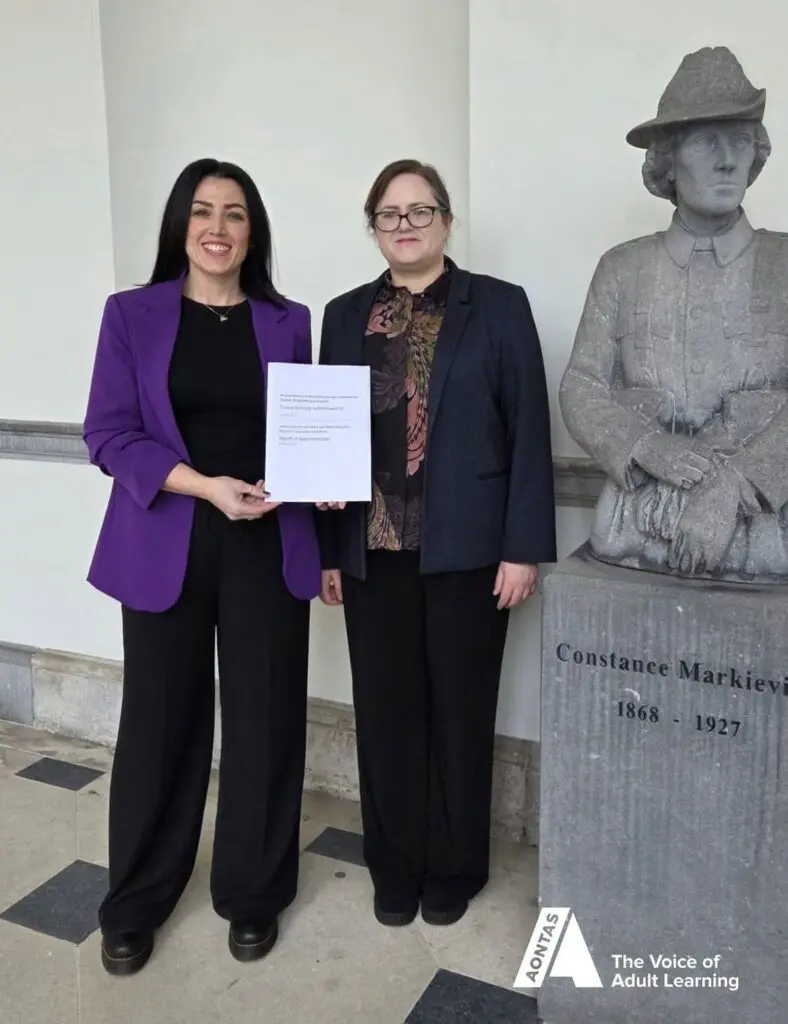
On Wednesday 25 February, Dearbháil Lawless, CEO of AONTAS, and Rebecca Jackson, Policy and Advocacy Officer, attended the launch of the Joint Committee’s Report on Apprenticeships at Leinster House.
Launching the report Deputy Erin McGeehan said:
“Apprenticeships are becoming the new norm. It is vital that we professionalise how they are delivered, make them more accessible and ensure participants are trained to the highest standards”
This important report sets out a series of thoughtful, evidence-based recommendations to realise this ambition. It is informed by engagement with a wide range of stakeholders, advocacy organisations and business representatives, including AONTAS, who made a submission before the Committee in November 2025. We are delighted to see many of our recommendations reflected in the final report, including responses to key issues raised by apprentices through the National FET Learners Forum.
The recommendations span meaningful improvements to the apprenticeship model and key supports for apprentices. These include proposals to update curricula to reflect evolving industry needs and to expand access through the provision of local pre-apprenticeship programmes. A particularly welcome recommendation is the call to ensure parity of esteem for apprenticeships, including the proposal to increase the NFQ level of craft apprenticeships to Level 7 in recognition of the complexity and depth of skills apprentices achieve.
Crucially, the report outlines significant measures to enhance support for apprentices from diverse backgrounds, including older learners, those with financial dependents, people with disabilities, and individuals seeking to upskill or change career. Targeted financial supports are proposed to address the real costs of participation in apprenticeship programmes. These include grants for equipment, supports for placement-related expenses, and targeted measures to assist underrepresented groups. Importantly, supports for employers are also recognised as necessary to widen participation and ensure sustainable delivery.
Accessibility is further strengthened through recommendations relating to employer matching processes and the allocation of apprentice places at a local level, particularly for apprentices who may otherwise face barriers to participation. The report’s recognition of universal design principles and the co-production of programme development is especially significant. As champions of learner voice and inclusive education, AONTAS warmly welcomes this affirmation of the importance of putting learner perspectives at the heart of apprenticeship programme development.
At the launch, Dearbháil Lawless welcomed the report’s vision for a more diverse and inclusive apprenticeship model. Highlighting that recommendations not only addressed operational and employer needs but importantly it focussed on improving the experience, accessibility, and opportunities for apprentices including Travellers, women, and people with disabilities. She emphasised that realising these recommendations will require continued collaboration across Government, education providers, employers, and learner representatives.
This report provides a clear roadmap. The next step is collective action to bring these recommendations into policy and practice. By working together, we can ensure that apprenticeships are accessible, valued, and responsive, opening meaningful pathways for learners of all backgrounds and strengthening communities and workplaces across Ireland.
You can find further details on the committee, contributors, and the full report here.
News
The very latest news from the adult and community education sector
Blog
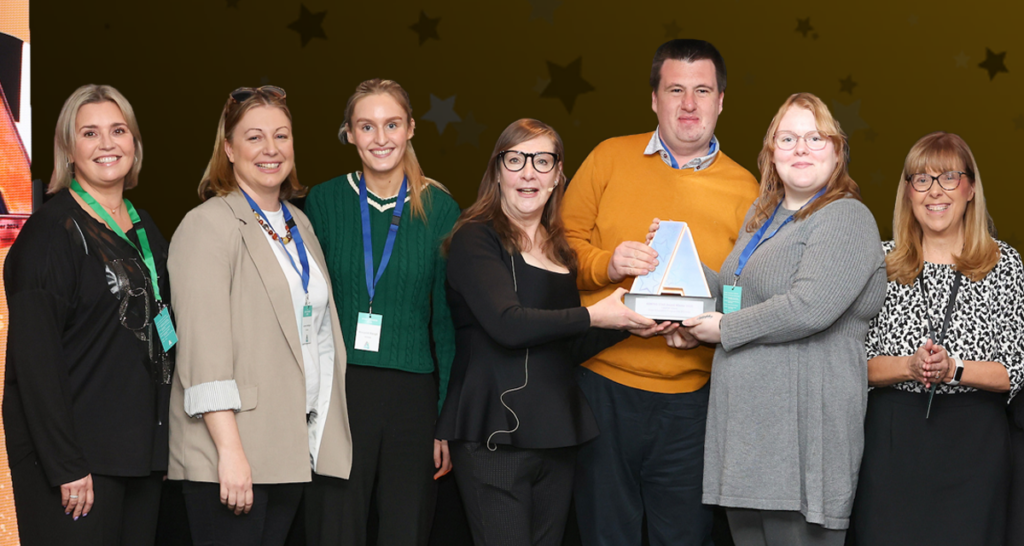
Supporting Learner Voice at the AONTAS STAR Awards 2026
3 March 2026
Supporting Learner Voice at the AONTAS STAR Awards 2026 Written by Thomas Ogbemudia Published on March 3, 2026 Share This...
News
New Apprenticeships Report Reflects AONTAS Recommendations on Access and Support
27 February 2026
New Apprenticeships Report Reflects AONTAS Recommendations on Access and Support Written by Megan Fearon Published on February 27, 2026 Share...
Blog
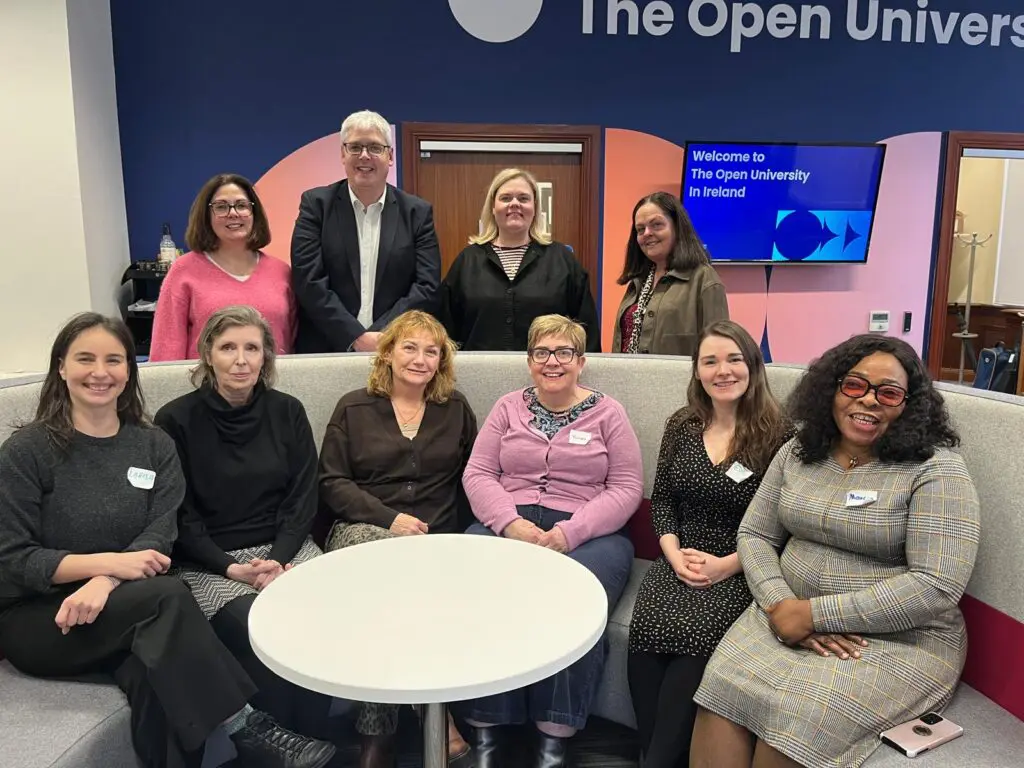
What happens when those with an interest in adult learning come together to build shared understanding? An Example from Northern Ireland
23 February 2026
What happens when those with an interest in adult learning come together to build shared understanding? An Example from Northern...
Blog
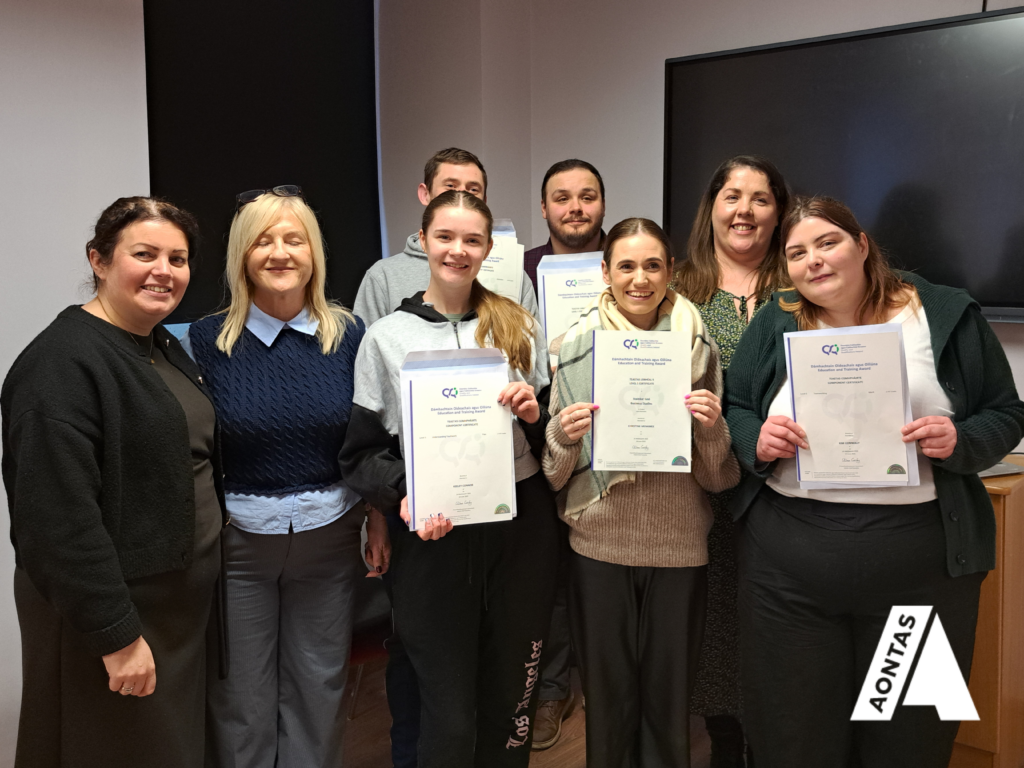
Celebrating Community, Hope, and Achievement with Acorn Youth Work Ireland Midlands, Education and Training Service
12 February 2026
Celebrating Community, Hope, and Achievement with Acorn Youth Work Ireland Midlands, Education and Training Service Written by Lorraine O’Connor Published...
News
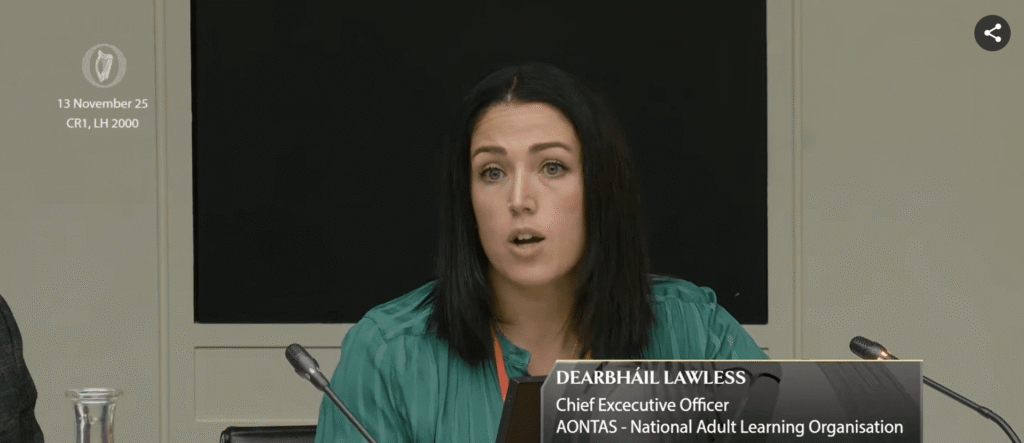
AONTAS Statement on Voluntary and Community Sector Cuts in Northern Ireland
3 February 2026
AONTAS Statement on Voluntary and Community Sector Cuts in Northern Ireland Written by Conor Thompson Published on February 3, 2026...
News

Call for Abstracts | Fourth International Conference of the Scuola Democratica
23 January 2026
New Apprenticeships Report Reflects AONTAS Recommendations on Access and Support
Launch of Joint Committee on Further and Higher Education, Research, Innovation and Science Report on Apprenticeships
On Wednesday 25 February, Dearbháil Lawless, CEO of AONTAS, and Rebecca Jackson, Policy and Advocacy Officer, attended the launch of the Joint Committee’s Report on Apprenticeships at Leinster House.
Launching the report Deputy Erin McGeehan said:
“Apprenticeships are becoming the new norm. It is vital that we professionalise how they are delivered, make them more accessible and ensure participants are trained to the highest standards”
This important report sets out a series of thoughtful, evidence-based recommendations to realise this ambition. It is informed by engagement with a wide range of stakeholders, advocacy organisations and business representatives, including AONTAS, who made a submission before the Committee in November 2025. We are delighted to see many of our recommendations reflected in the final report, including responses to key issues raised by apprentices through the National FET Learners Forum.
The recommendations span meaningful improvements to the apprenticeship model and key supports for apprentices. These include proposals to update curricula to reflect evolving industry needs and to expand access through the provision of local pre-apprenticeship programmes. A particularly welcome recommendation is the call to ensure parity of esteem for apprenticeships, including the proposal to increase the NFQ level of craft apprenticeships to Level 7 in recognition of the complexity and depth of skills apprentices achieve.
Crucially, the report outlines significant measures to enhance support for apprentices from diverse backgrounds, including older learners, those with financial dependents, people with disabilities, and individuals seeking to upskill or change career. Targeted financial supports are proposed to address the real costs of participation in apprenticeship programmes. These include grants for equipment, supports for placement-related expenses, and targeted measures to assist underrepresented groups. Importantly, supports for employers are also recognised as necessary to widen participation and ensure sustainable delivery.
Accessibility is further strengthened through recommendations relating to employer matching processes and the allocation of apprentice places at a local level, particularly for apprentices who may otherwise face barriers to participation. The report’s recognition of universal design principles and the co-production of programme development is especially significant. As champions of learner voice and inclusive education, AONTAS warmly welcomes this affirmation of the importance of putting learner perspectives at the heart of apprenticeship programme development.
At the launch, Dearbháil Lawless welcomed the report’s vision for a more diverse and inclusive apprenticeship model. Highlighting that recommendations not only addressed operational and employer needs but importantly it focussed on improving the experience, accessibility, and opportunities for apprentices including Travellers, women, and people with disabilities. She emphasised that realising these recommendations will require continued collaboration across Government, education providers, employers, and learner representatives.
This report provides a clear roadmap. The next step is collective action to bring these recommendations into policy and practice. By working together, we can ensure that apprenticeships are accessible, valued, and responsive, opening meaningful pathways for learners of all backgrounds and strengthening communities and workplaces across Ireland.
You can find further details on the committee, contributors, and the full report here.
News
The very latest news from the adult and community education sector
Blog
Supporting Learner Voice at the AONTAS STAR Awards 2026
3 March 2026
Supporting Learner Voice at the AONTAS STAR Awards 2026 Written by Thomas Ogbemudia Published on March 3, 2026 Share This...
News
New Apprenticeships Report Reflects AONTAS Recommendations on Access and Support
27 February 2026
New Apprenticeships Report Reflects AONTAS Recommendations on Access and Support Written by Megan Fearon Published on February 27, 2026 Share...
Blog
What happens when those with an interest in adult learning come together to build shared understanding? An Example from Northern Ireland
23 February 2026
What happens when those with an interest in adult learning come together to build shared understanding? An Example from Northern...
Blog
Celebrating Community, Hope, and Achievement with Acorn Youth Work Ireland Midlands, Education and Training Service
12 February 2026
Celebrating Community, Hope, and Achievement with Acorn Youth Work Ireland Midlands, Education and Training Service Written by Lorraine O’Connor Published...
News
AONTAS Statement on Voluntary and Community Sector Cuts in Northern Ireland
3 February 2026
AONTAS Statement on Voluntary and Community Sector Cuts in Northern Ireland Written by Conor Thompson Published on February 3, 2026...
News