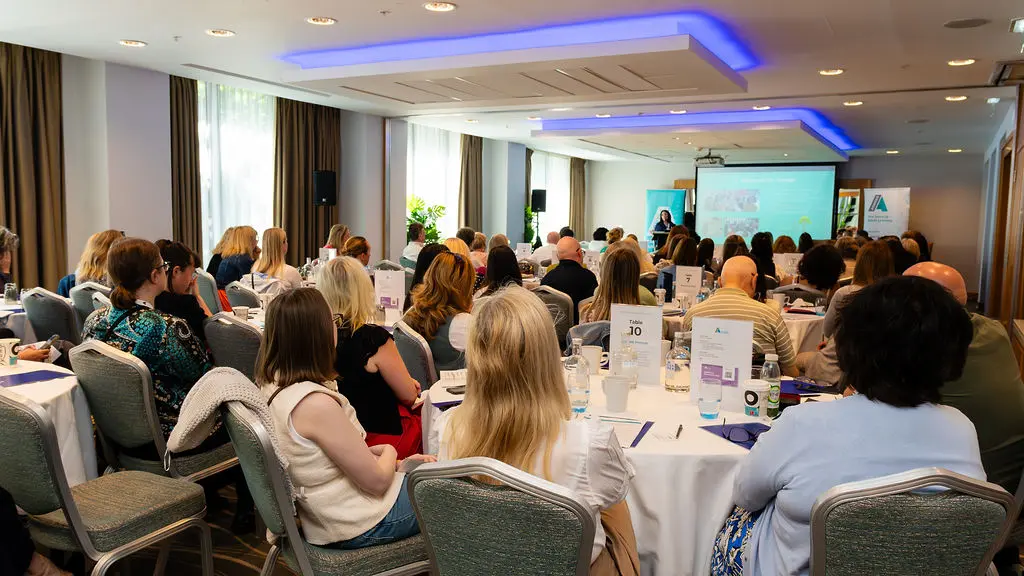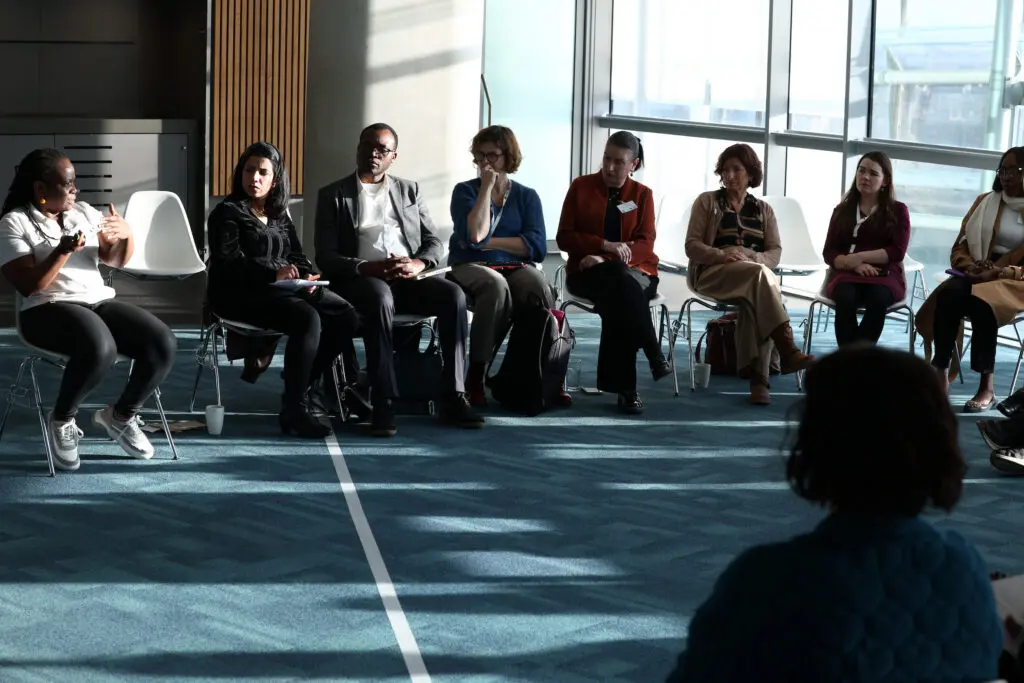

The workshop created a welcoming space for new migrant communities to foster a sense of belonging, integrate into local life, and actively contribute to a greener, more inclusive Buncrana.
Twelve participants attended the session, representing Nigeria, Pakistan, Botswana, the Philippines, and Ukraine. The discussion focused on ensuring that migrant communities have a voice in shaping their local environment while strengthening social connections. Patricia Higgins from IDP’s Connecting Communities initiative and Rachel Grant, Project Worker, were present to support the session.
When asked what would help them feel more included in the community, participants raised several key issues. These included limited access to traditional foods, barriers to employment, and inadequate transport options. Some noted that even when they secured jobs, infrequent bus services made commuting difficult, often preventing them from accepting employment opportunities. Many expressed frustrations and a deep sense of hopelessness over being unable to work despite holding professional qualifications.
Among the group were two law graduates, several medical professionals, two farmers, and a skilled clothing designer—yet they found the processes and lack of recognition for their professions or qualifications challenging. Many felt disheartened from the lack of opportunity and having been told they needed to retrain.
During discussions on possible solutions and integration efforts, participants highlighted the positive impact of volunteering, which helped them feel less isolated while gaining work experience. They also shared ideas for environmental projects, including joining community gardens, planting crops and trees, and engaging in sustainable farming. One proposed idea was a system where migrants could contribute to local farms in exchange for access to land.
Other suggestions included negotiating with local shops to improve access to culturally specific foods and exploring the feasibility of grocery delivery services for migrant communities. As the discussions progressed, it became clear that when a community comes together to address challenges, they can collaborate meaningfully to find practical solutions.
Meeting IDP Staff in Letterkenny
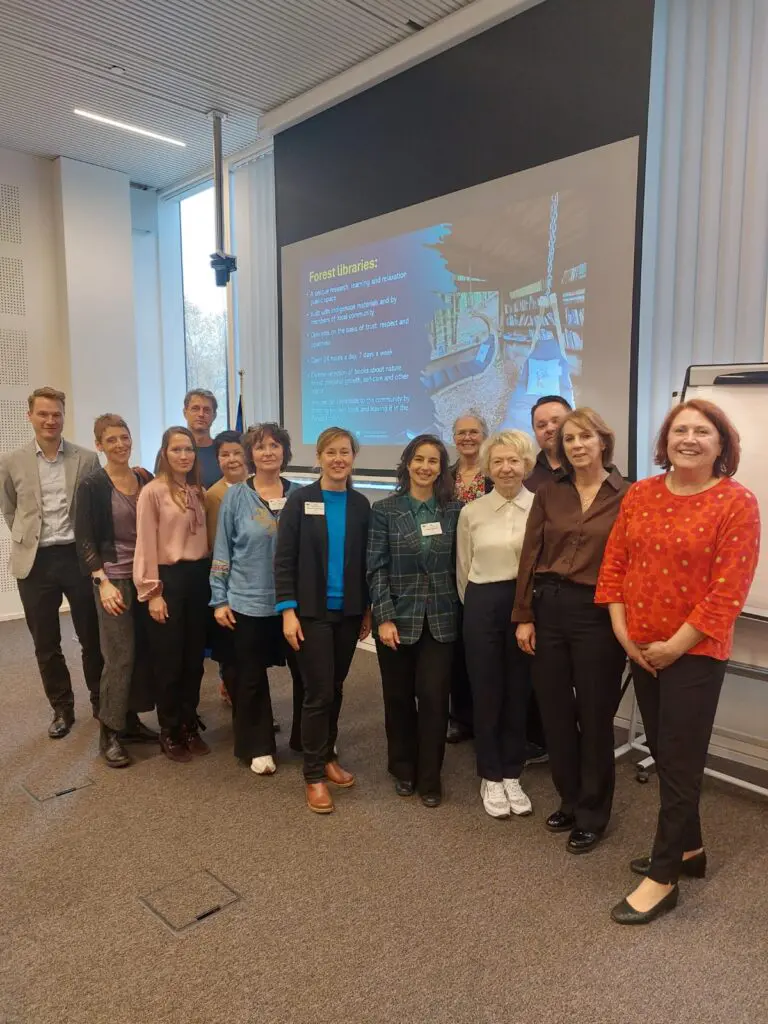
During our visit, we also had the opportunity to meet IDP staff, including Denise McCool, SICAP Team Lead and Community Development and Environment Officer, as well as Shauna McClenaghan, Joint CEO. Both shared insights into the wide range of services and innovative training opportunities being provided to the local community in Inishowen.

Changemakers is a collaborative project of the IDP, Donegal ETB, Self Help Africa, and Trócaire, funded by Irish Aid. Its vision is to engage adults in County Donegal in understanding and taking action on local and global issues for a fairer, more just world. The project works with the adult and community sector in Donegal using creative and innovative interventions.
Changemakers also engage in work around sustainability and have developed the Sustainability Passport, which provides tools for people to learn about sustainability.
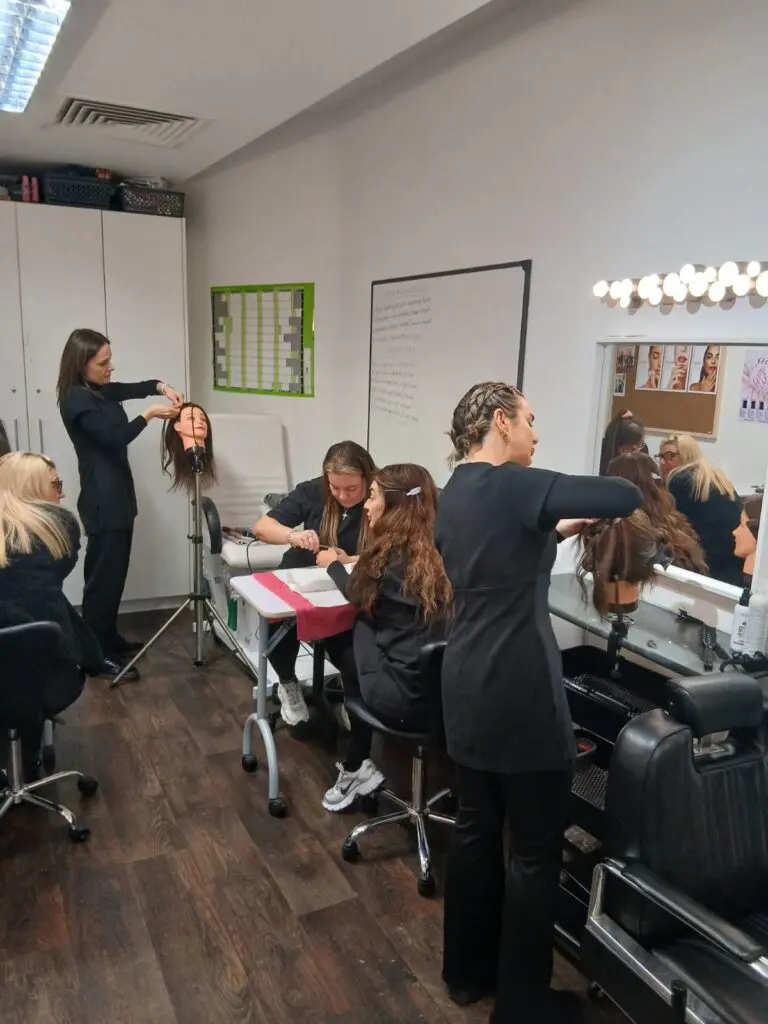
IDP offers a variety of programmes, including those focused on social enterprise, self-employment, and community employment. They also run the Sláintecare Healthy Communities Programme (SHCP), which supports health and wellbeing initiatives.
IDP collaborates with the HSE, Health Promotion & Improvement, and the Department of Health to deliver a range of programmes under the SHCP initiative. These programmes aim to support community health and wellbeing, with a focus on community food and nutrition, parenting programmes, smoking cessation, healthy eating, mental health support, and social prescribing.
During our visit, Denise spoke about IDP’s work to support residents affected by defective concrete blocks (DCB) used in housing construction. The most striking aspect of this crisis is its far-reaching impact—not only on housing but also on mental health, early school leaving, and some young people’s decisions to forgo or delay college due to the trauma and economic impact experienced by their families.
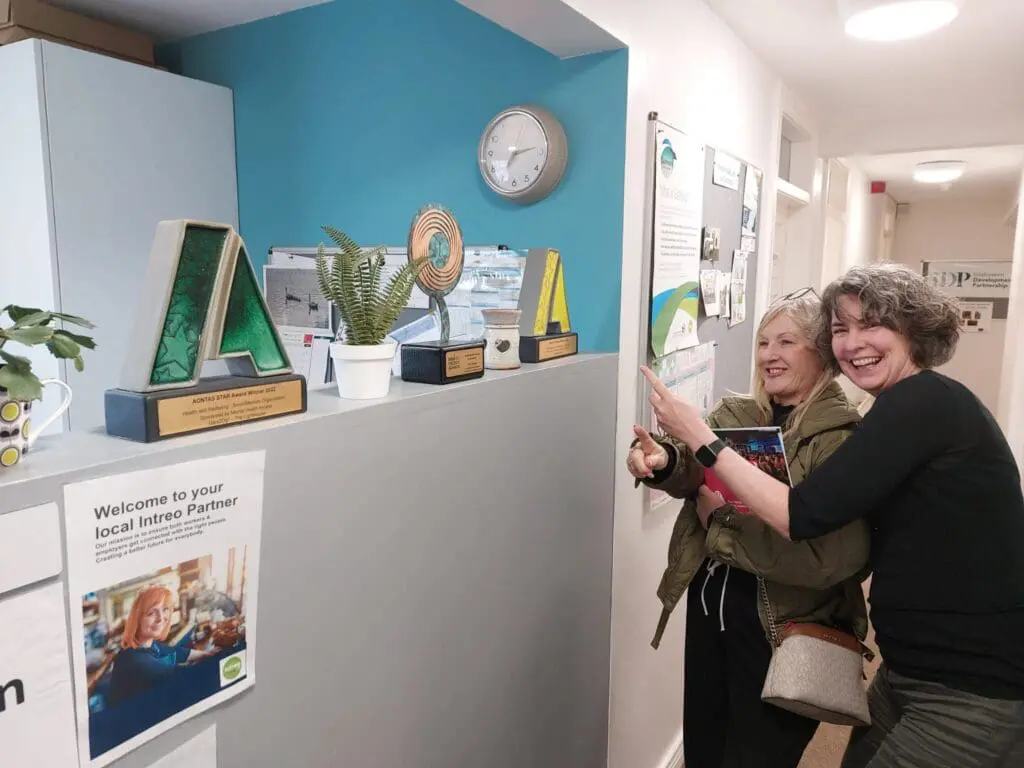
AONTAS are proud to work with IDP and values their work in supporting communities. We look forward to our continued collaboration.