
Community Education Must Be Part of Northern Ireland’s Widening Participation Strategy
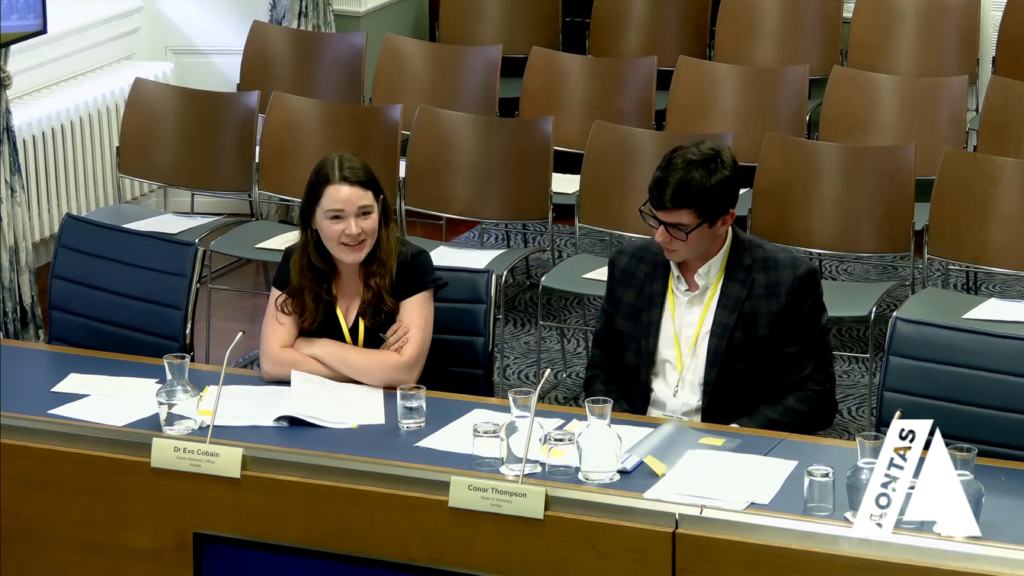
Yesterday, AONTAS appeared before the Northern Ireland Assembly Committee for the Economy to discuss the role of adult and community education in widening participation in higher education.
The Committee session comes at an important time. The Department for the Economy is currently developing a new widening participation strategy for higher education, creating a significant opportunity to rethink who higher education is for, how learners access it, and what support they need to succeed.
For AONTAS, it was a welcome opportunity to bring evidence from across the island of Ireland into the conversation and to highlight an issue that is often overlooked in discussions about access to higher education: the experiences of adult learners.
Too often, widening participation debates focus on the transition from school to university. While that pathway remains important, it is only one part of the picture. Across Northern Ireland, thousands of adults are returning to learning after years, and sometimes decades, away from formal education. Their journeys are rarely straightforward, but they are no less important.
Our message to the Committee was clear: if Northern Ireland is serious about widening participation, adult and community education must be recognised as a vital pathway into higher education.
Starting where learners are
AONTAS’ research consistently shows that participation in education later in life is strongly shaped by earlier educational experiences. Adults who leave school with fewer qualifications are less likely to return to learning in later life, despite often having the greatest need for educational opportunities.
This is not a question of motivation or aspiration. Rather, it reflects the structural barriers many people face throughout their lives.
Community education has a unique role to play in addressing those barriers.
Operating in local communities, community education creates accessible and supportive environments where learners can rebuild confidence, develop skills and reconnect with learning. It reaches people who may not yet feel comfortable stepping into a college or university campus and provides a bridge between educational exclusion and educational participation.
Throughout the Committee discussion, members recognised the importance of this role. There was strong acknowledgement of the work taking place in communities across Northern Ireland, often delivered by organisations that are deeply embedded in the lives of the people they support.
This recognition matters because community education is already making a significant contribution to widening participation, even if that contribution is not always visible within policy frameworks.
Across Northern Ireland, community organisations are supporting learners who have experienced educational disadvantage, including women returning to learning, people living in rural areas, migrants and refugees, disabled learners, and others who remain underrepresented within higher education.
These are precisely the learners that widening participation strategies are designed to support.
Looking beyond traditional measures of success
One of the most encouraging aspects of the discussion was the Committee’s interest in learner voice and how to meaningfully capture the impact of adult and community education.
As researchers, we are often asked how we measure the value of adult learning. Employment outcomes and qualification attainment remain important indicators, but they do not tell the whole story.
Many of the most transformative outcomes of adult learning cannot be fully understood through statistics alone.
Learners speak about gaining confidence after years of self-doubt. They describe overcoming anxiety, building new relationships, becoming more involved in their communities and developing a renewed sense of possibility for themselves and their families.
These outcomes are not secondary to educational progression. They are often the foundations that make progression possible.
This is why learner voice has been central to AONTAS’ work for many years. Through our research in community education and through the National Further Education and Training Learner Forum, we have seen how powerful learner perspectives can be in shaping policy and practice.
The Committee discussion provided an opportunity to share this experience and to highlight the absence of a systematic approach to engaging learner voice in Northern Ireland. Members were particularly interested in how learner voice could help policymakers better understand barriers to participation and how impact could be measured beyond enrolment figures or qualification outcomes.
There was also significant interest in understanding progression pathways more clearly. During the discussion, we highlighted the value of gathering data on whether learners entering further or higher education had previously participated in community education. Better evidence on these journeys would help policymakers understand how community-based learning contributes to widening participation and where additional supports may be needed.
For AONTAS, this is an important point. Adult learners have valuable insights into the barriers they face and the supports that make participation possible. If widening participation policies are to be effective, those voices must be part of the conversation.
Creating opportunities for learners to influence policy is not simply good practice; it is essential for developing education systems that genuinely respond to learner needs.
The value of an all-island perspective
For AONTAS, the invitation to appear before the Committee also reflected something that has been central to our work since 1969: collaboration across the island of Ireland.
As Ireland’s National Adult Learning Organisation, we work with learners, educators, providers and policymakers across both jurisdictions. Through our membership of the Alliance for Lifelong Learning in Northern Ireland, research partnerships including the Forum for Adult Learning NI (FALNI), and ongoing engagement with community education organisations, we have built strong relationships across the sector.
This allows us to bring a distinctive perspective to policy discussions.
While education systems may differ north and south, many of the challenges facing adult learners are remarkably similar. Educational disadvantage, financial barriers, childcare responsibilities, disability, transport difficulties, confidence issues and limited progression opportunities are challenges that learners encounter regardless of jurisdiction.
Equally, many of the solutions are shared.
Throughout our research, we have seen the value of community provision, which facilities flexible learning opportunities, and embodies learner-centred approaches. We have observed strong partnerships between community organisations and higher education institutions across the island, some of which facilitate access to higher education within local communities. There is a great deal of potential to further develop such opportunities. We have also seen the benefits of cross-border collaboration itself.
Organisations across the island are already sharing practice, building partnerships and developing innovative approaches to learner support. There is considerable potential to strengthen these connections further and to ensure that policymakers can learn from evidence and experience wherever it exists.
The Committee discussion reflected this interest. Members were keen to explore how North-South collaboration could continue to develop, particularly through community education partnerships, shared learning and future funding opportunities. These conversations recognise something that adult learning practitioners have long understood: collaboration creates opportunities that no single organisation or jurisdiction can achieve alone.
At a time when governments are increasingly seeking solutions to complex social and economic challenges, collaboration across sectors and across borders has never been more important.
Looking ahead
The Committee hearing demonstrated a genuine interest in understanding the role that adult and community education can play in widening participation. It also highlighted growing recognition that access to higher education is about far more than admissions policies alone.
For many adult learners, access begins long before they submit an application to a college or university.
It begins when they attend a course in a local community centre. It begins when they meet a tutor who believes in their potential, when they find a learning environment where they feel welcome, valued and supported.
These first steps matter.
As the Department for the Economy continues to develop its widening participation strategy, there is a real opportunity to recognise and strengthen the pathways that already exist within communities across Northern Ireland.
Community education is already supporting thousands of learners to take those first steps. The challenge now is to ensure that policy, funding and strategic planning recognise its contribution and build on its success.
If Higher Education is to become truly inclusive learners taking part in adult and community education must not be left on the margins. They must be part of the conversation.
News
The very latest news from the adult and community education sector
Blog
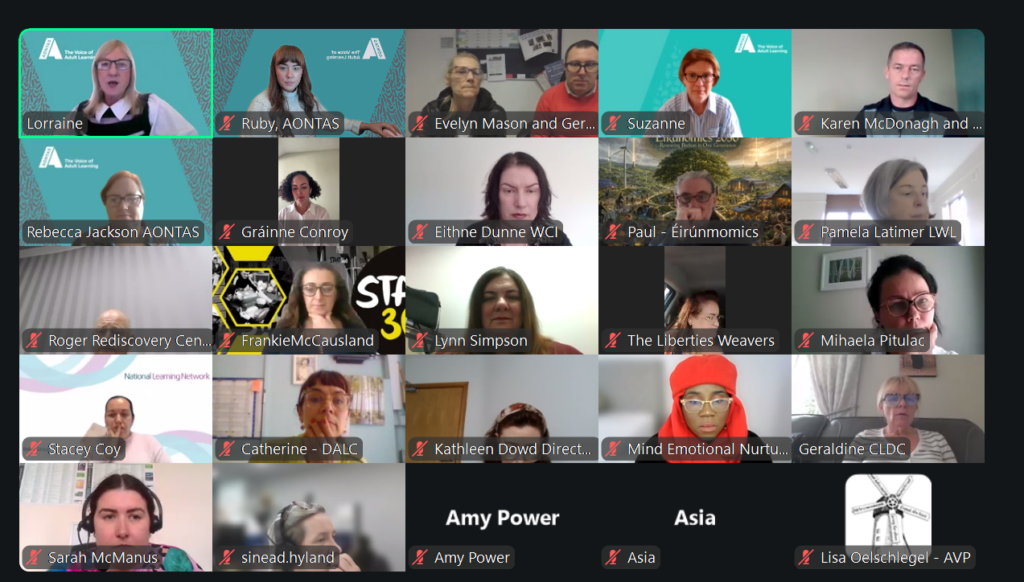
Beyond Funding: Building Capacity, Skills and Expertise for Lasting Change Through the AONTAS Community Education Network
9 October 2026
Beyond Funding: Building Capacity, Skills and Expertise for Lasting Change Through Our Community Education Network Written by Lorraine O’Connor Published...
Blog
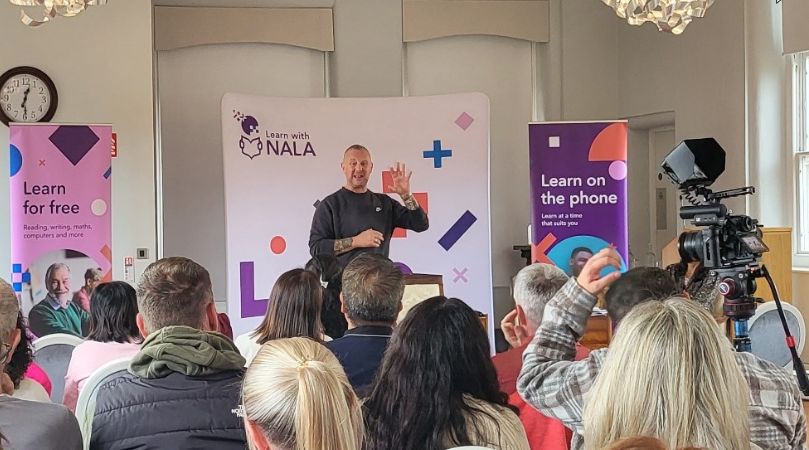
Reducing Barriers with Learn with NALA Accreditation
9 October 2026
Reducing Barriers with Learn with NALA Accreditation Written by Brian Desmond Published on October 9, 2026 Share This Attended by...
Blog
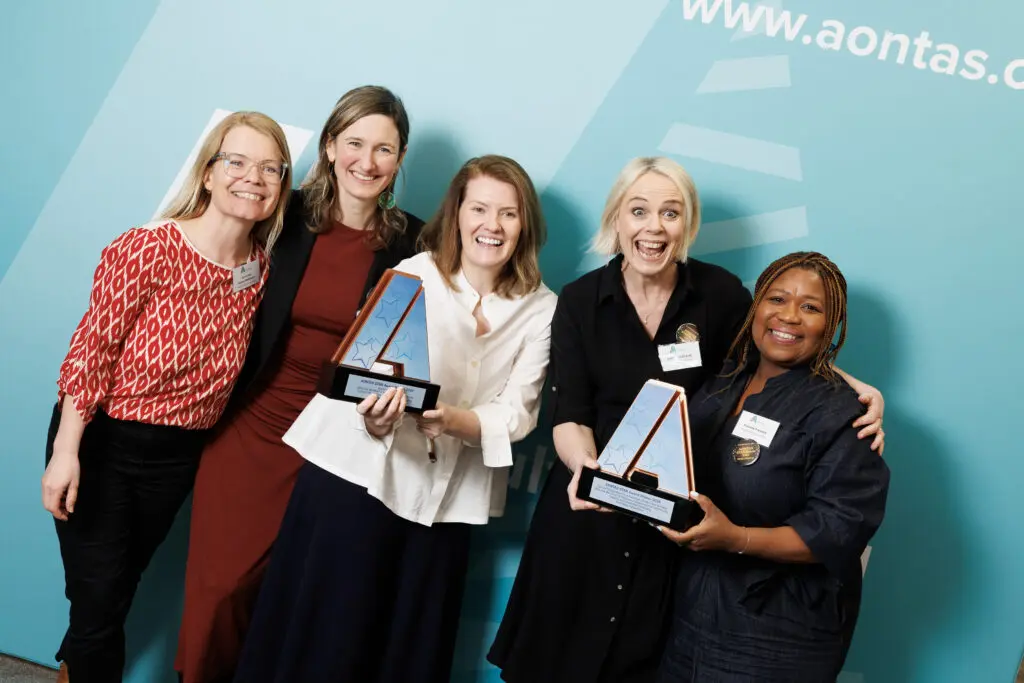
The People Behind the STAR Awards: Social Change
9 October 2026
The People Behind the STAR Awards: Social Change Written by Brian Desmond Published on October 9, 2026 Share This (Part...
News
AONTAS Members Have Their Say on New National Learner Survey
9 October 2026
AONTAS Members Have Their Say on New National Learner Survey Written by Rachel Ryan Published on October 9, 2026 Share...
News

What does Budget 2027 mean for adult and community education?
8 October 2026
What does Budget 2027 mean for adult and community education? Written by Conor Thompson Published on October 8, 2026 Share...
Blog
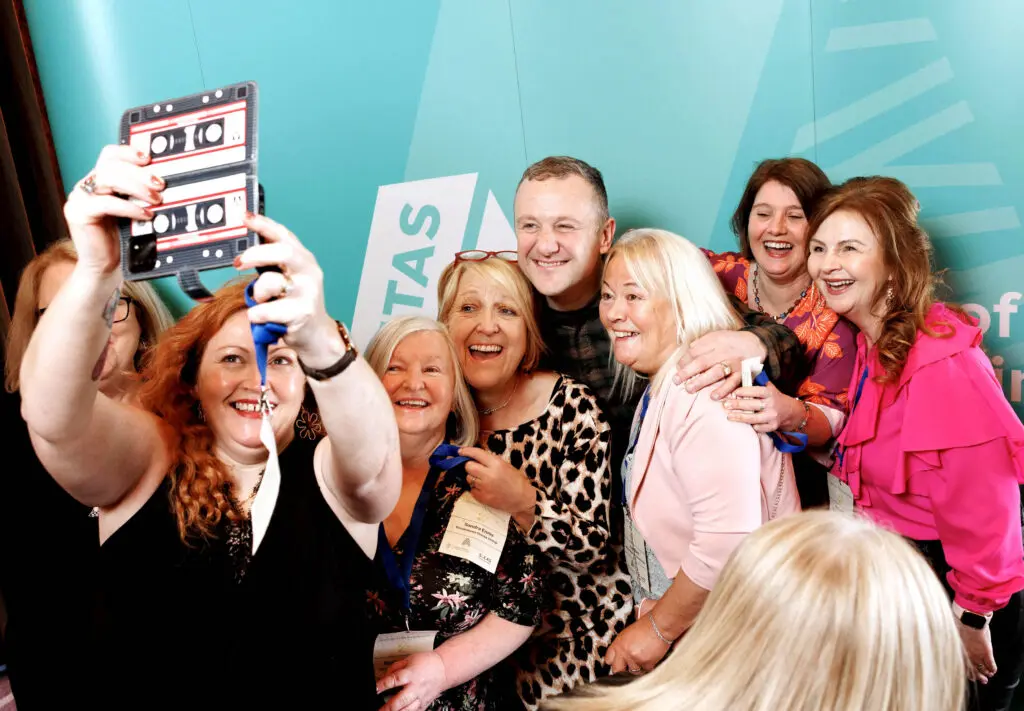
The People Behind the STAR Awards: Global Citizenship Education
7 October 2026
The People Behind the STAR Awards: Global Citizenship Education Written by Brian Desmond Published on October 7, 2026 Share This...
Community Education Must Be Part of Northern Ireland’s Widening Participation Strategy
Yesterday, AONTAS appeared before the Northern Ireland Assembly Committee for the Economy to discuss the role of adult and community education in widening participation in higher education.
The Committee session comes at an important time. The Department for the Economy is currently developing a new widening participation strategy for higher education, creating a significant opportunity to rethink who higher education is for, how learners access it, and what support they need to succeed.
For AONTAS, it was a welcome opportunity to bring evidence from across the island of Ireland into the conversation and to highlight an issue that is often overlooked in discussions about access to higher education: the experiences of adult learners.
Too often, widening participation debates focus on the transition from school to university. While that pathway remains important, it is only one part of the picture. Across Northern Ireland, thousands of adults are returning to learning after years, and sometimes decades, away from formal education. Their journeys are rarely straightforward, but they are no less important.
Our message to the Committee was clear: if Northern Ireland is serious about widening participation, adult and community education must be recognised as a vital pathway into higher education.
Starting where learners are
AONTAS’ research consistently shows that participation in education later in life is strongly shaped by earlier educational experiences. Adults who leave school with fewer qualifications are less likely to return to learning in later life, despite often having the greatest need for educational opportunities.
This is not a question of motivation or aspiration. Rather, it reflects the structural barriers many people face throughout their lives.
Community education has a unique role to play in addressing those barriers.
Operating in local communities, community education creates accessible and supportive environments where learners can rebuild confidence, develop skills and reconnect with learning. It reaches people who may not yet feel comfortable stepping into a college or university campus and provides a bridge between educational exclusion and educational participation.
Throughout the Committee discussion, members recognised the importance of this role. There was strong acknowledgement of the work taking place in communities across Northern Ireland, often delivered by organisations that are deeply embedded in the lives of the people they support.
This recognition matters because community education is already making a significant contribution to widening participation, even if that contribution is not always visible within policy frameworks.
Across Northern Ireland, community organisations are supporting learners who have experienced educational disadvantage, including women returning to learning, people living in rural areas, migrants and refugees, disabled learners, and others who remain underrepresented within higher education.
These are precisely the learners that widening participation strategies are designed to support.
Looking beyond traditional measures of success
One of the most encouraging aspects of the discussion was the Committee’s interest in learner voice and how to meaningfully capture the impact of adult and community education.
As researchers, we are often asked how we measure the value of adult learning. Employment outcomes and qualification attainment remain important indicators, but they do not tell the whole story.
Many of the most transformative outcomes of adult learning cannot be fully understood through statistics alone.
Learners speak about gaining confidence after years of self-doubt. They describe overcoming anxiety, building new relationships, becoming more involved in their communities and developing a renewed sense of possibility for themselves and their families.
These outcomes are not secondary to educational progression. They are often the foundations that make progression possible.
This is why learner voice has been central to AONTAS’ work for many years. Through our research in community education and through the National Further Education and Training Learner Forum, we have seen how powerful learner perspectives can be in shaping policy and practice.
The Committee discussion provided an opportunity to share this experience and to highlight the absence of a systematic approach to engaging learner voice in Northern Ireland. Members were particularly interested in how learner voice could help policymakers better understand barriers to participation and how impact could be measured beyond enrolment figures or qualification outcomes.
There was also significant interest in understanding progression pathways more clearly. During the discussion, we highlighted the value of gathering data on whether learners entering further or higher education had previously participated in community education. Better evidence on these journeys would help policymakers understand how community-based learning contributes to widening participation and where additional supports may be needed.
For AONTAS, this is an important point. Adult learners have valuable insights into the barriers they face and the supports that make participation possible. If widening participation policies are to be effective, those voices must be part of the conversation.
Creating opportunities for learners to influence policy is not simply good practice; it is essential for developing education systems that genuinely respond to learner needs.
The value of an all-island perspective
For AONTAS, the invitation to appear before the Committee also reflected something that has been central to our work since 1969: collaboration across the island of Ireland.
As Ireland’s National Adult Learning Organisation, we work with learners, educators, providers and policymakers across both jurisdictions. Through our membership of the Alliance for Lifelong Learning in Northern Ireland, research partnerships including the Forum for Adult Learning NI (FALNI), and ongoing engagement with community education organisations, we have built strong relationships across the sector.
This allows us to bring a distinctive perspective to policy discussions.
While education systems may differ north and south, many of the challenges facing adult learners are remarkably similar. Educational disadvantage, financial barriers, childcare responsibilities, disability, transport difficulties, confidence issues and limited progression opportunities are challenges that learners encounter regardless of jurisdiction.
Equally, many of the solutions are shared.
Throughout our research, we have seen the value of community provision, which facilities flexible learning opportunities, and embodies learner-centred approaches. We have observed strong partnerships between community organisations and higher education institutions across the island, some of which facilitate access to higher education within local communities. There is a great deal of potential to further develop such opportunities. We have also seen the benefits of cross-border collaboration itself.
Organisations across the island are already sharing practice, building partnerships and developing innovative approaches to learner support. There is considerable potential to strengthen these connections further and to ensure that policymakers can learn from evidence and experience wherever it exists.
The Committee discussion reflected this interest. Members were keen to explore how North-South collaboration could continue to develop, particularly through community education partnerships, shared learning and future funding opportunities. These conversations recognise something that adult learning practitioners have long understood: collaboration creates opportunities that no single organisation or jurisdiction can achieve alone.
At a time when governments are increasingly seeking solutions to complex social and economic challenges, collaboration across sectors and across borders has never been more important.
Looking ahead
The Committee hearing demonstrated a genuine interest in understanding the role that adult and community education can play in widening participation. It also highlighted growing recognition that access to higher education is about far more than admissions policies alone.
For many adult learners, access begins long before they submit an application to a college or university.
It begins when they attend a course in a local community centre. It begins when they meet a tutor who believes in their potential, when they find a learning environment where they feel welcome, valued and supported.
These first steps matter.
As the Department for the Economy continues to develop its widening participation strategy, there is a real opportunity to recognise and strengthen the pathways that already exist within communities across Northern Ireland.
Community education is already supporting thousands of learners to take those first steps. The challenge now is to ensure that policy, funding and strategic planning recognise its contribution and build on its success.
If Higher Education is to become truly inclusive learners taking part in adult and community education must not be left on the margins. They must be part of the conversation.
News
The very latest news from the adult and community education sector
Blog
Beyond Funding: Building Capacity, Skills and Expertise for Lasting Change Through the AONTAS Community Education Network
9 October 2026
Beyond Funding: Building Capacity, Skills and Expertise for Lasting Change Through Our Community Education Network Written by Lorraine O’Connor Published...
Blog
Reducing Barriers with Learn with NALA Accreditation
9 October 2026
Reducing Barriers with Learn with NALA Accreditation Written by Brian Desmond Published on October 9, 2026 Share This Attended by...
Blog
The People Behind the STAR Awards: Social Change
9 October 2026
The People Behind the STAR Awards: Social Change Written by Brian Desmond Published on October 9, 2026 Share This (Part...
News
AONTAS Members Have Their Say on New National Learner Survey
9 October 2026
AONTAS Members Have Their Say on New National Learner Survey Written by Rachel Ryan Published on October 9, 2026 Share...
News
What does Budget 2027 mean for adult and community education?
8 October 2026
What does Budget 2027 mean for adult and community education? Written by Conor Thompson Published on October 8, 2026 Share...
Blog
The People Behind the STAR Awards: Global Citizenship Education
7 October 2026
The People Behind the STAR Awards: Global Citizenship Education Written by Brian Desmond Published on October 7, 2026 Share This...