
A Mid-Year Review of Policy & Advocacy: What Has Been Happening, and How is AONTAS Responding
2026 has been a busy year for adult and community education in advocacy and policy so far. Across Ireland, Northern Ireland, and the EU, the decisions being made will shape what the sector looks like for years to come. This is a summary of the most significant developments, and how AONTAS has been engaging with them.
Ireland
Creating Futures: The Further Education and Training Strategy 2026
In May, SOLAS and the Department of Further and Higher Education, Research, Innovation and Science published the new strategy for the FET sector. The strategy positions FET as a driver of both economic growth and social inclusion, sitting alongside higher education as an integral part of Ireland’s education system. A central commitment is to put learners “at the heart of decision-making” (p.21) through expanded learner councils, forums, and embedded governance structures. AONTAS is named in the strategy as a partner in designing an annual learner survey, which will feed directly into how FET evolves over coming years.
Inclusion is a key goal, with commitments to embed universal design, ensure consistent financial supports, and ensure no learner is left behind in the digital transition. These are welcome, but more work remains. Recent data on lifelong learning highlights the “Matthew Effect”: those who already have higher qualifications and secure employment are most likely to benefit from learning opportunities, reinforcing existing inequalities.
The Community Education Framework (2024) is rightly recognised as foundational to literacy, active citizenship, social cohesion, and diverse communities. The strategy commits to community education excelling in holistic skills development. AONTAS will continue to advocate for consistent, sustainable funding to support the sector in delivering on this potential.
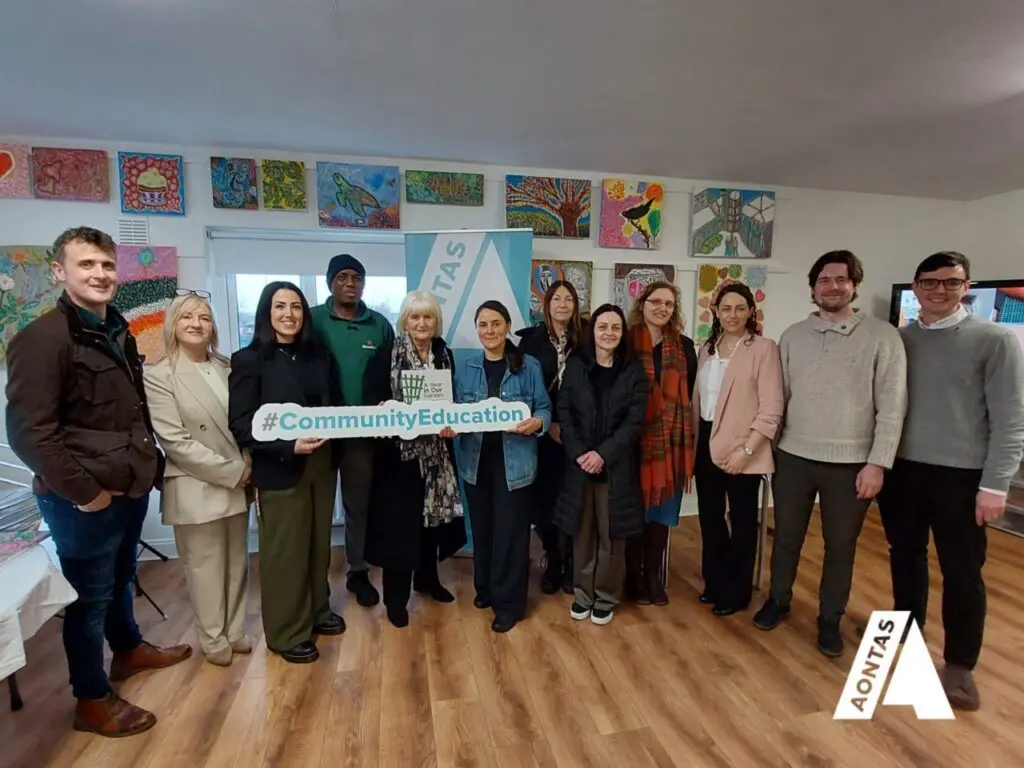
In February this year, we accompanied Minister Harkin on a visit to Cranmore Community Co-operative in Sligo, who generously shared her time so she could hear first-hand the power of community education as a site of connection, belonging, and learning. This visit was very welcomed by the learners and staff of Cranmore Community Cooperative who valued the chance to showcase their centre to the Minister
Our Community Education Network gathering in April 16th brought practitioners together around the theme of collaboration, sharing experiences and discussing how to sustain joint projects. The event demonstrated both the breadth of expertise in the sector and its value as a response to social need. We will continue to amplify this message throughout the life of the new FET Strategy. We have also submitted to public consultations on the Healthy Ireland Framework and the Drugs Strategy, making the case for the wide-reaching benefits of community education.
Annual Cost of Education Event.
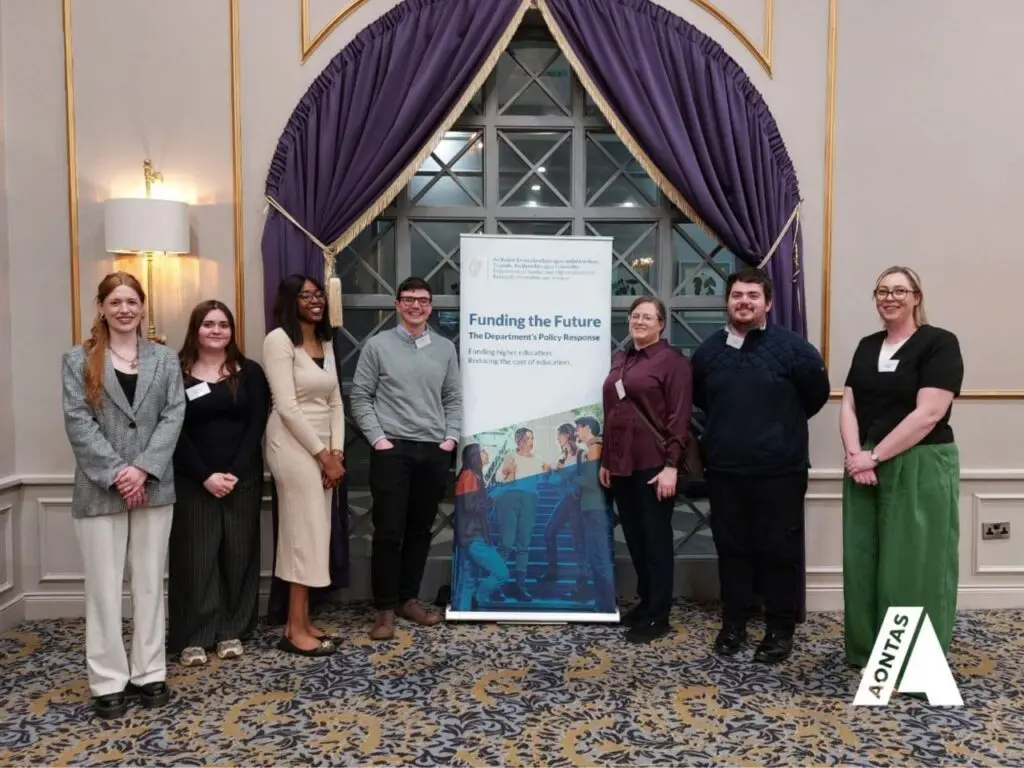
AONTAS staff, and adult learners attended the annual cost of education event hosted by DFHERIS on the 22nd of April in Portlaoise. The purpose of the event was to gather insights to inform an Annual Options Paper to reduce the cost of education being developed by the Department of Further and Higher Education, Research, Innovation and Science (DFHERIS). The impact of the cost-of-living crises was a key theme in this event, as was the importance of a whole of government approach to providing supports to learners and students. DHFHERIS made sure that this event was inclusive, and representative of all learning contexts. Conor Thompson, Head of Advocacy and Policy was delighted to host a learner voice panel with representatives from further education and training, higher education, and access programmes, and apprentices taking part in an insightful discussion on the importance of support on educational journeys.
AONTAS has since submitted a policy position to the Department of Social Protections Annual Prebudget Forum where we amplified these messages and made recommendations to enhance learner supports.
Apprenticeships and Access.
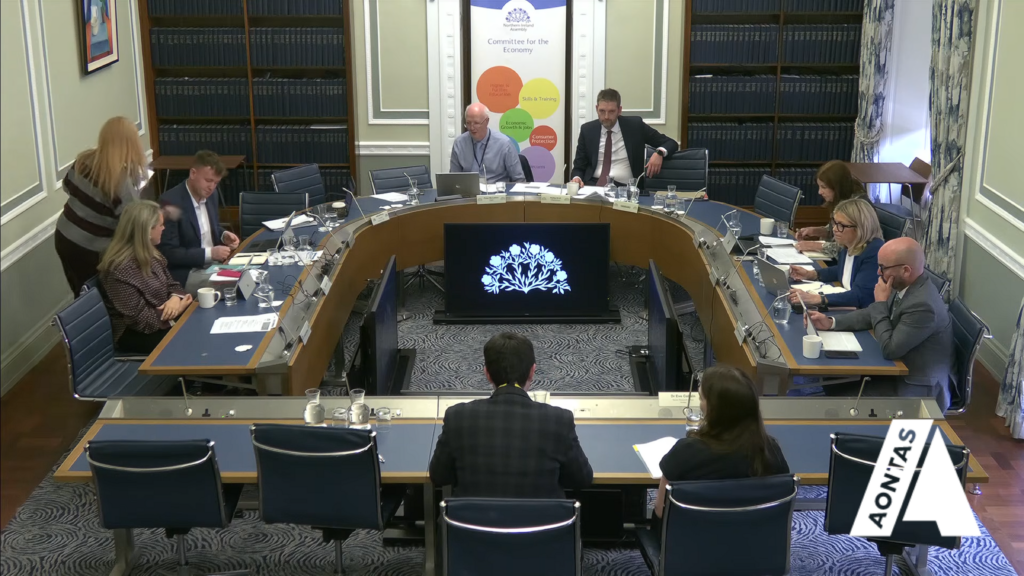
The Joint Committee on Further and Higher Education, Research, Innovation and Science published its report on apprenticeships in February, drawing heavily on AONTAS submissions and evidence gathered through the National FET Learners Forum. AONTAS CEO Dearbháil Lawless and Head of Advocacy and Policycontributed to this report through the submission of evidence at a committee meeting on the 13th of November last year. The report makes strong recommendations on expanding access for underrepresented groups, including Travellers, people with disabilities, and those from low-income backgrounds. A new Action Plan for Apprenticeship 2026-2030 is now in development, and we will be watching to see if the recommendations from this report are integrated.
ESOL Funding.
Temporary ESOL funding introduced in 2022 in response to the war in Ukraine has ended, reverting core ESOL resources to a 4.2-million-euro allocation. Providers reported class cancellations and staffing reductions from March onwards, with a public protest in Galway and Roscommon in March of this year. The Minister characterised the reversion as the conclusion of an emergency measure rather than a cut, but the impact on staff has been severe. A SOLAS working group has been established to examine impacts and explore cross-departmental approaches. AONTAS is watching this issue closely and will continue to argue for resources to be delivered to learners who are the furthest from education.
Working Conditions.
April brought significant Oireachtas committee discussion on Local Training Initiatives, which are delivering strong outcomes: 70% of participants progress into further education, apprenticeships, or employment, with certification rates between 90% and 100%. LTIs are reaching early school leavers, long-term unemployed people, and learners facing barriers including mental health difficulties, low confidence, and social disadvantage. Yet coordinator salaries remain fixed at approximately 35,234 euro per year with no pay scale and no incremental progression. This is not sustainable and directly affects learner stability and trust. In a PQ related to Community Training Centre staff pay, the Minister indicated interest in consolidating CTCs and Youthreach as a common delivery model, which may create a pathway to pay parity. AONTAS will continue to advocate for recognition for the sector, the professionals who work so passionately on behalf of their learners, and the value it delivers for communities and society.
The Adult Educator Contract.
The new Adult Educator grade, established in April 2024, was the subject of detailed evidence to the Joint Committee in February from Anne Foster, Vice Chair of the Adult Education Teachers Organisation, representing over 3,000 tutors. Her evidence exposed major problems: the contract requires 1,044 annual hours including 900 teaching hours, which most adult education programmes cannot accommodate across 30 to 34-week delivery cycles. Many tutors cannot access increments or pension benefits and still rely on social welfare during closures. Implementation has been inconsistent across ETBs. Updated salary scales under the Public Sector Pay Agreement 2024-2026 came into effect from 1st June 2026 incorporating a 1% increase, but structural parity and national consistency remain outstanding.
AI, Skills, and the EU Presidency.
Ireland will host a major EU summit on AI and skills as part of its forthcoming EU Council Presidency, with a strong emphasis on AI literacy and workforce adaptation. SOLAS is developing AI micro credentials to support this direction. The Government has also signalled its intention to establish a National Skills Observatory. AONTAS sees the Presidency as a significant opportunity to make the case that AI readiness cannot be achieved without accessible, community-based learning pathways.
Pension Auto-Enrolment.
The new pension auto-enrolment scheme is emerging as a growing concern for community education providers. Without additional funding, organisations have flagged that associated costs will place significant pressure on operational budgets. This is gaining political attention and will remain on the agenda.
Disability and Education.
Following the publication of the National Human Rights Strategy for Disabled People 2025-2030 in 2025, the government has initiated public consultations on a Cost of Disability Payment, held a Cost of Disability Strategic Focus Network Summit on the 13th of May, and a Consultation on a National Policy on Transitions in Education for Students with Disabilities on the 26th of May. In addition to producing a policy submission on the Cost of Disability Payment AONTAS attended both consultations to highlight the findings of our National FET Learner Forum data on the structural and financial barriers faced by learners with disabilities.
Northern Ireland
The Local Growth Fund Crisis.
The most serious development in Northern Ireland this year has been the replacement of the UK Shared Prosperity Fund with the Local Growth Fund, which introduces a 70/30 capital-revenue split that amounts to a 64% cut in revenue funding for community and voluntary sector employability and inclusion programmes. From April 2026, annual funding for these programmes fell from approximately £25 million to £9.2 million. Up to 650 staff positions are at risk, 64 organisations face severe financial pressure, and more than 11,000 beneficiaries per year are losing access to services. The House of Commons Northern Ireland Affairs Committee has written to the UK Government calling for a change of approach. MLAs across parties have repeatedly raised concerns about the impact on community infrastructure, childcare, economic inactivity, and adult learning. The Assembly’s Committee for Communities Chair Gildernew has called for a fair, stable, long-term funding settlement rather than emergency annual allocations.
Following a meeting with the Northern Ireland Council for Voluntary Action (NICVA) in February 2026, AONTAS wrote to the Shared Island Unit in the Office of the Taoiseach about the funding pressures facing the community and voluntary sector, and the importance of its role to the achievement of Shared Island Objectives. AONTAS made the case that community education was a policy lever for social inclusion and cohesion. in February 2026, we were invited to attend a meeting with the Shared Island Office to discuss future opportunities to support the sector.
Northern Ireland: Anti-Poverty Strategy.
Following the publication of the National Human Rights Strategy for Disabled People 2025-2030 in 2025, the government has initiated public consultations on a Cost of Disability Payment, held a Cost of Disability Strategic Focus Network Summit on the 13th of May, and a Consultation on a National Policy on Transitions in Education for Students with Disabilities on the 26th of May. In addition to producing a policy submission on the Cost of Disability Payment AONTAS attended both consultations to highlight the findings of our National FET Learner Forum data on the structural and financial barriers faced by learners with disabilities.
Skills, the Economy and FE.
The Committee for the Economy has continued to examine Northern Ireland’s skills landscape, including discussion of the Skills Action Plan, Further Education reform, rural delivery challenges, apprenticeship barriers including insurance and cross-border mobility, and economic inactivity. In May, the Committee heard from the Chief Scientific and Technology Adviser on the AI Strategy for the NI public sector. The Further Education: Fit for the Future programme, launched in April 2026, is now in its consultation phase, examining the role of FE in adult learning and skills adaptation over the next 18 months.
Cross-Border Cooperation.
A motion passed in the Assembly in April secured cross-party support for a successor to the PEACE PLUS programme beyond 2027. With 1 billion euro currently allocated to 145 projects, there is broad recognition of its positive cross-border impact. The EU has signalled agreement in principle for a successor programme, but clarity on funding levels is needed. To further advance this important work AONTAS also convened a cross-border stakeholder group meeting in May bringing together community education organisations, practitioners, and policy contacts from both jurisdictions to consider shared pressures and opportunities for joint advocacy.
Widening Participation in Higher Education.
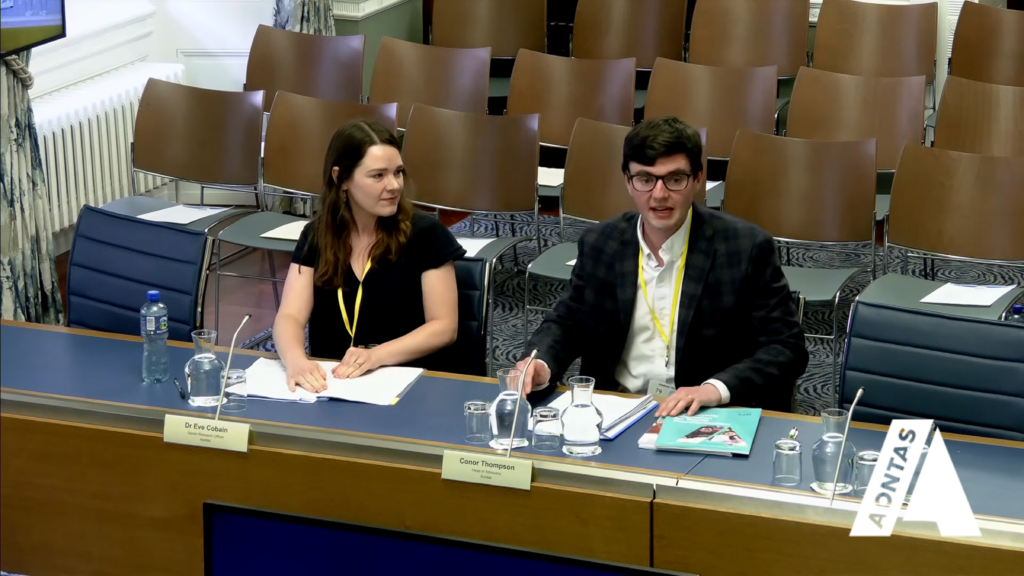
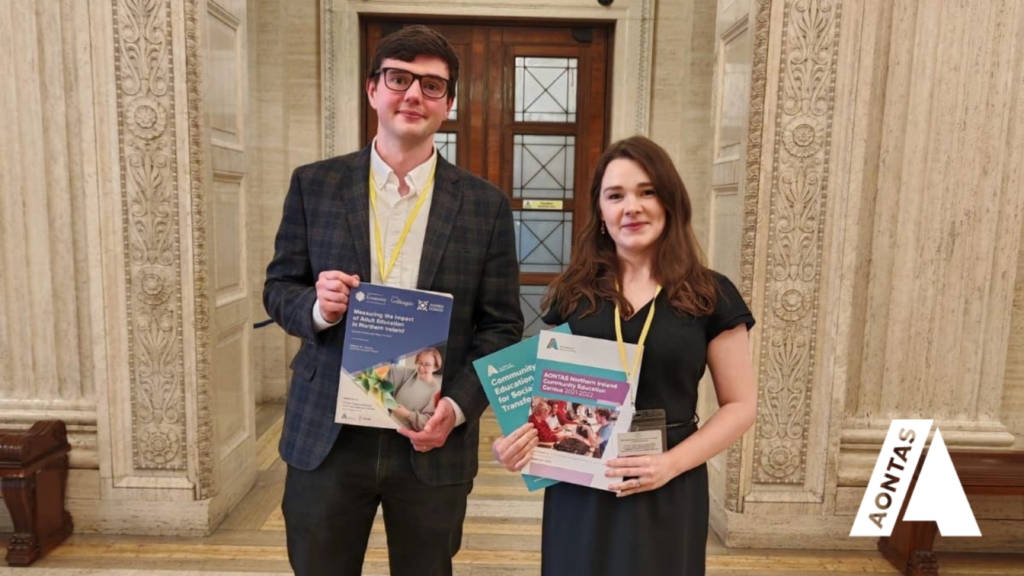
Following our submission to a public consultation, we also presented evidence to the Committee for the Economy in Stormont on the 3rd of June, speaking to the value of community education to widening participation in further and higher education. Following the presentation, the Committee agreed to write to the Department for the Economy to express support for the role of community education in widening access to higher education.
European Union
The Multiannual Financial Framework 2028-2034.
The single most consequential EU development of the year is the negotiation of the next MFF, which will determine the scale and structure of Erasmus+, ESF+, and related programmes that fund adult and community learning across Europe. On 11th May 2026, the EU Council agreed its partial negotiating mandate on the next Erasmus+ programme. In May 2026, the Committee on Culture and Education (CULT) of the European Parliament published its draft report, with rapporteur Bogdan Zdrojewski calling for a budget of €47.39 billion, well above the Commission’s €40.8 billion proposal. The report calls for a stronger inclusion dimension and emphasis on reaching people with fewer opportunities. A key risk in the MFF design is the proposed reorganisation of employment and social funding through National and Regional Partnership Plans, which could make adult and community education invisible within broader policy envelopes unless explicitly named and protected. The Committee on Employment and Social Affairs (EMPL) Committee also presented a study on 6th May mapping and analysing employment and social policy support in the MFF 2028–2034 proposals, with particular emphasis on the implications for the European Pillar of Social Rights.
AONTAS has been engaging with EAEA, the Lifelong Learning Platform, and MEPs on the MFF and Erasmus+ negotiations, working to ensure that adult and community education is visible in the policy debate at a critical moment. We have been sharing priorities for Ireland’s EU Council Presidency, including the need to restore or protect earmarking for adult learning within Erasmus+ and ESF+, and to amplify the value of community education sector through Presidency events. We have also submitted to the forthcoming EU Vocational Education Strategy to highlight the power of adult education to drive inclusion and
The ENHANCE project for learner voice, and our involvement in the New European Agenda for Adult Learning have also continued to generate policy insights, support best practice and promote the value of inclusive education for learners in European discussions.
Civil Society and Democratic Infrastructure.
The European Parliament passed a significant resolution on the state of fundamental rights and civic space, warning of growing pressure on civil society organisations across Europe, including funding instability, legal restrictions, and political marginalisation. This is important as it is an opportunity for community education to be championed as democratic infrastructure, not merely a skills intervention. It sits alongside the EU Strategy for Civil Society, published by the Commission in November 2025, which includes a new Civil Society Platform becoming operational in 2026 to provide a structured framework for dialogue on fundamental rights and civic space.
EU Anti-Poverty Strategy
In May 2026 the European Commission adopted the first ever EU Anti-Poverty Strategy. The Strategy responds to the reality that 93.3 million people across the EU remain at risk of poverty or social exclusion. It frames poverty as a violation of fundamental dignity, sets out measures including activation of people excluded from the labour market, and highlights the proposed Council Recommendation on housing exclusion. This follows the European Parliament’s February 2026 resolution calling for poverty eradication by 2035, which called for €20 billion ring-fenced under the MFF for the European Child Guarantee. AONTAS will be tracking how Ireland’s response to the Strategy is developed during the Presidency.
Union of Skills and AI.
March marked the first anniversary of the Union of Skills initiative, which emphasises basic skills investment and skills intelligence across the EU. New CEDEFOP analysis shows AI is transforming labour markets and increasing demand for vocational skills on the adult education sector. AONTAS is watching this space as this is relevant to digital inclusion, a key are for community education to support.
Union of Equality
The Commission adopted the EU Anti-Racism Strategy 2026–2030 on 20th January 2026, replacing the EU Anti-Racism Action Plan 2020–2025 and marking an ambitious new phase in the EU’s effort to comprehensively fight racism. The Strategy aims to tackle structural racism, enforce anti-discrimination legislation, step up protection against racial hatred, strengthen social equality and cohesion, and foster key partnerships. The LIBE Committee heard a presentation from the Commission on 23rd February 2026, with DG JUST’s Director for Equality and Non-Discrimination confirming plans for a new Eurobarometer survey on discrimination in 2027 and further work on national equality bodies. The Strategy has direct relevance for AONTAS given the lived experience of Travellers, migrants, and racialised communities as adult learners and the role of community education in addressing structural inequalities.
Keep in touch!
Our advocacy and policy work depends on information. We have been monitoring and analysing discussions across DFHERIS, and other related departments, including those on funding for community education, working conditions in the sector, and supports for learners. We are also closely watching emerging developments in the Northern Ireland Assembly looking for opportunities to support cross border collaboration.
If you have experiences from the ground that should be feeding into this work, or if you would like to know more about any of the issues above, please get in touch with the AONTAS Policy and Advocacy Officer Rebecca at rjackson@aontas.com. We’d love to stay in touch!!
News
The very latest news from the adult and community education sector
News
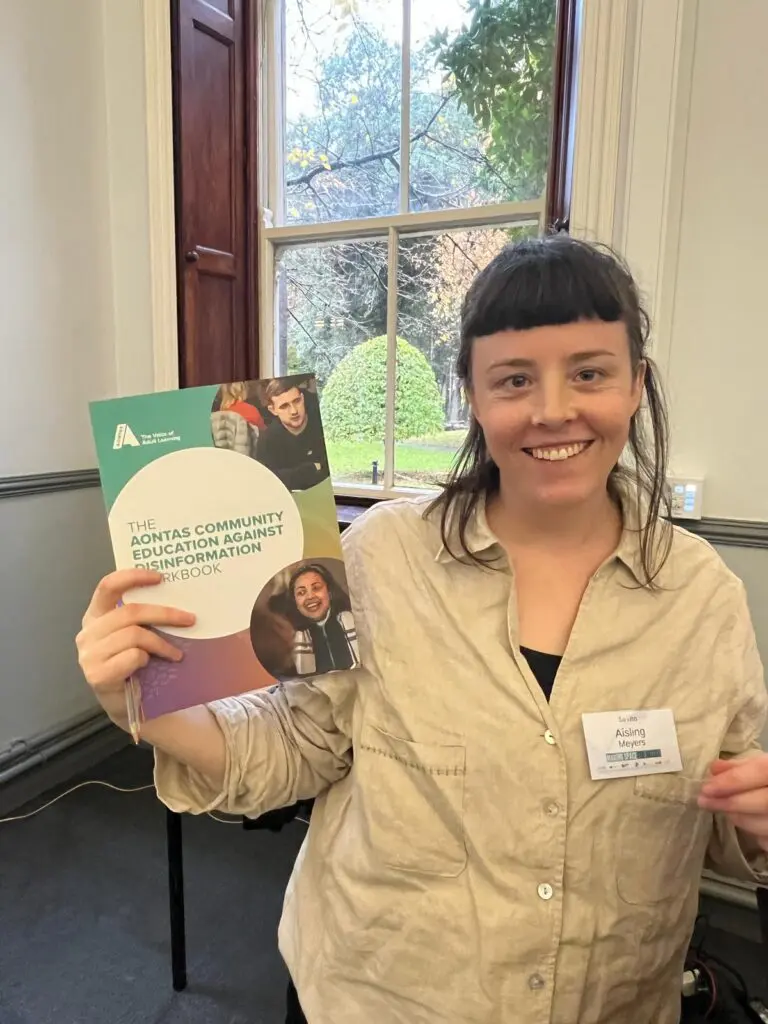
AONTAS Community Education Against Disinformation Project Nominated for Media Literacy Award
16 October 2026
AONTAS Community Education Against Disinformation Project Nominated for Media Literacy Award Written by Rachel Ryan Published on October 16, 2026...
Blog
Beyond Funding: Building Capacity, Skills and Expertise for Lasting Change Through the AONTAS Community Education Network
9 October 2026
Beyond Funding: Building Capacity, Skills and Expertise for Lasting Change Through Our Community Education Network Written by Lorraine O’Connor Published...
Blog
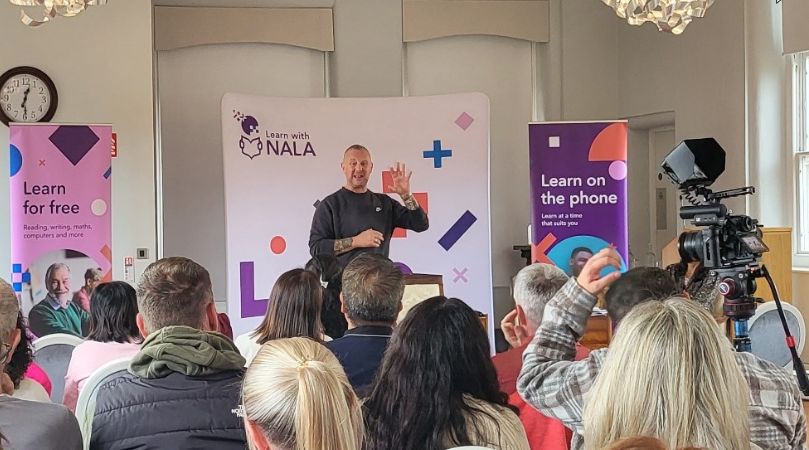
Reducing Barriers with Learn with NALA Accreditation
9 October 2026
Reducing Barriers with Learn with NALA Accreditation Written by Brian Desmond Published on October 9, 2026 Share This Attended by...
Blog
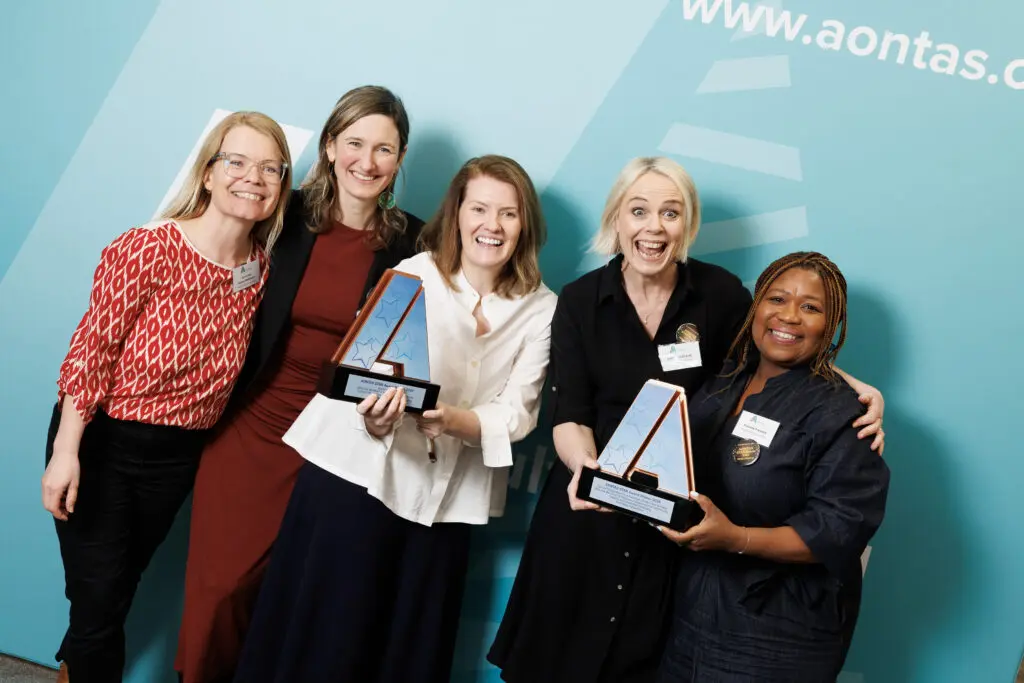
The People Behind the STAR Awards: Social Change
9 October 2026
The People Behind the STAR Awards: Social Change Written by Brian Desmond Published on October 9, 2026 Share This (Part...
News
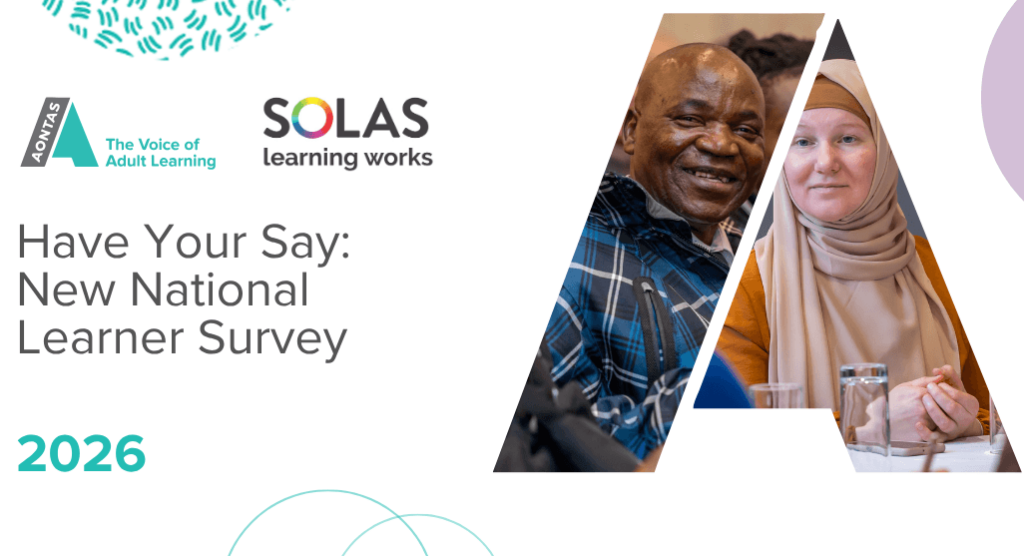
AONTAS Members Have Their Say on New National Learner Survey
9 October 2026
AONTAS Members Have Their Say on New National Learner Survey Written by Rachel Ryan Published on October 9, 2026 Share...
News

What does Budget 2027 mean for adult and community education?
8 October 2026
What does Budget 2027 mean for adult and community education? Written by Conor Thompson Published on October 8, 2026 Share...
A Mid-Year Review of Policy & Advocacy: What Has Been Happening, and How is AONTAS Responding
2026 has been a busy year for adult and community education in advocacy and policy so far. Across Ireland, Northern Ireland, and the EU, the decisions being made will shape what the sector looks like for years to come. This is a summary of the most significant developments, and how AONTAS has been engaging with them.
Ireland
Creating Futures: The Further Education and Training Strategy 2026
In May, SOLAS and the Department of Further and Higher Education, Research, Innovation and Science published the new strategy for the FET sector. The strategy positions FET as a driver of both economic growth and social inclusion, sitting alongside higher education as an integral part of Ireland’s education system. A central commitment is to put learners “at the heart of decision-making” (p.21) through expanded learner councils, forums, and embedded governance structures. AONTAS is named in the strategy as a partner in designing an annual learner survey, which will feed directly into how FET evolves over coming years.
Inclusion is a key goal, with commitments to embed universal design, ensure consistent financial supports, and ensure no learner is left behind in the digital transition. These are welcome, but more work remains. Recent data on lifelong learning highlights the “Matthew Effect”: those who already have higher qualifications and secure employment are most likely to benefit from learning opportunities, reinforcing existing inequalities.
The Community Education Framework (2024) is rightly recognised as foundational to literacy, active citizenship, social cohesion, and diverse communities. The strategy commits to community education excelling in holistic skills development. AONTAS will continue to advocate for consistent, sustainable funding to support the sector in delivering on this potential.
In February this year, we accompanied Minister Harkin on a visit to Cranmore Community Co-operative in Sligo, who generously shared her time so she could hear first-hand the power of community education as a site of connection, belonging, and learning. This visit was very welcomed by the learners and staff of Cranmore Community Cooperative who valued the chance to showcase their centre to the Minister
Our Community Education Network gathering in April 16th brought practitioners together around the theme of collaboration, sharing experiences and discussing how to sustain joint projects. The event demonstrated both the breadth of expertise in the sector and its value as a response to social need. We will continue to amplify this message throughout the life of the new FET Strategy. We have also submitted to public consultations on the Healthy Ireland Framework and the Drugs Strategy, making the case for the wide-reaching benefits of community education.
Annual Cost of Education Event.
AONTAS staff, and adult learners attended the annual cost of education event hosted by DFHERIS on the 22nd of April in Portlaoise. The purpose of the event was to gather insights to inform an Annual Options Paper to reduce the cost of education being developed by the Department of Further and Higher Education, Research, Innovation and Science (DFHERIS). The impact of the cost-of-living crises was a key theme in this event, as was the importance of a whole of government approach to providing supports to learners and students. DHFHERIS made sure that this event was inclusive, and representative of all learning contexts. Conor Thompson, Head of Advocacy and Policy was delighted to host a learner voice panel with representatives from further education and training, higher education, and access programmes, and apprentices taking part in an insightful discussion on the importance of support on educational journeys.
AONTAS has since submitted a policy position to the Department of Social Protections Annual Prebudget Forum where we amplified these messages and made recommendations to enhance learner supports.
Apprenticeships and Access.
The Joint Committee on Further and Higher Education, Research, Innovation and Science published its report on apprenticeships in February, drawing heavily on AONTAS submissions and evidence gathered through the National FET Learners Forum. AONTAS CEO Dearbháil Lawless and Head of Advocacy and Policycontributed to this report through the submission of evidence at a committee meeting on the 13th of November last year. The report makes strong recommendations on expanding access for underrepresented groups, including Travellers, people with disabilities, and those from low-income backgrounds. A new Action Plan for Apprenticeship 2026-2030 is now in development, and we will be watching to see if the recommendations from this report are integrated.
ESOL Funding.
Temporary ESOL funding introduced in 2022 in response to the war in Ukraine has ended, reverting core ESOL resources to a 4.2-million-euro allocation. Providers reported class cancellations and staffing reductions from March onwards, with a public protest in Galway and Roscommon in March of this year. The Minister characterised the reversion as the conclusion of an emergency measure rather than a cut, but the impact on staff has been severe. A SOLAS working group has been established to examine impacts and explore cross-departmental approaches. AONTAS is watching this issue closely and will continue to argue for resources to be delivered to learners who are the furthest from education.
Working Conditions.
April brought significant Oireachtas committee discussion on Local Training Initiatives, which are delivering strong outcomes: 70% of participants progress into further education, apprenticeships, or employment, with certification rates between 90% and 100%. LTIs are reaching early school leavers, long-term unemployed people, and learners facing barriers including mental health difficulties, low confidence, and social disadvantage. Yet coordinator salaries remain fixed at approximately 35,234 euro per year with no pay scale and no incremental progression. This is not sustainable and directly affects learner stability and trust. In a PQ related to Community Training Centre staff pay, the Minister indicated interest in consolidating CTCs and Youthreach as a common delivery model, which may create a pathway to pay parity. AONTAS will continue to advocate for recognition for the sector, the professionals who work so passionately on behalf of their learners, and the value it delivers for communities and society.
The Adult Educator Contract.
The new Adult Educator grade, established in April 2024, was the subject of detailed evidence to the Joint Committee in February from Anne Foster, Vice Chair of the Adult Education Teachers Organisation, representing over 3,000 tutors. Her evidence exposed major problems: the contract requires 1,044 annual hours including 900 teaching hours, which most adult education programmes cannot accommodate across 30 to 34-week delivery cycles. Many tutors cannot access increments or pension benefits and still rely on social welfare during closures. Implementation has been inconsistent across ETBs. Updated salary scales under the Public Sector Pay Agreement 2024-2026 came into effect from 1st June 2026 incorporating a 1% increase, but structural parity and national consistency remain outstanding.
AI, Skills, and the EU Presidency.
Ireland will host a major EU summit on AI and skills as part of its forthcoming EU Council Presidency, with a strong emphasis on AI literacy and workforce adaptation. SOLAS is developing AI micro credentials to support this direction. The Government has also signalled its intention to establish a National Skills Observatory. AONTAS sees the Presidency as a significant opportunity to make the case that AI readiness cannot be achieved without accessible, community-based learning pathways.
Pension Auto-Enrolment.
The new pension auto-enrolment scheme is emerging as a growing concern for community education providers. Without additional funding, organisations have flagged that associated costs will place significant pressure on operational budgets. This is gaining political attention and will remain on the agenda.
Disability and Education.
Following the publication of the National Human Rights Strategy for Disabled People 2025-2030 in 2025, the government has initiated public consultations on a Cost of Disability Payment, held a Cost of Disability Strategic Focus Network Summit on the 13th of May, and a Consultation on a National Policy on Transitions in Education for Students with Disabilities on the 26th of May. In addition to producing a policy submission on the Cost of Disability Payment AONTAS attended both consultations to highlight the findings of our National FET Learner Forum data on the structural and financial barriers faced by learners with disabilities.
Northern Ireland
The Local Growth Fund Crisis.
The most serious development in Northern Ireland this year has been the replacement of the UK Shared Prosperity Fund with the Local Growth Fund, which introduces a 70/30 capital-revenue split that amounts to a 64% cut in revenue funding for community and voluntary sector employability and inclusion programmes. From April 2026, annual funding for these programmes fell from approximately £25 million to £9.2 million. Up to 650 staff positions are at risk, 64 organisations face severe financial pressure, and more than 11,000 beneficiaries per year are losing access to services. The House of Commons Northern Ireland Affairs Committee has written to the UK Government calling for a change of approach. MLAs across parties have repeatedly raised concerns about the impact on community infrastructure, childcare, economic inactivity, and adult learning. The Assembly’s Committee for Communities Chair Gildernew has called for a fair, stable, long-term funding settlement rather than emergency annual allocations.
Following a meeting with the Northern Ireland Council for Voluntary Action (NICVA) in February 2026, AONTAS wrote to the Shared Island Unit in the Office of the Taoiseach about the funding pressures facing the community and voluntary sector, and the importance of its role to the achievement of Shared Island Objectives. AONTAS made the case that community education was a policy lever for social inclusion and cohesion. in February 2026, we were invited to attend a meeting with the Shared Island Office to discuss future opportunities to support the sector.
Northern Ireland: Anti-Poverty Strategy.
Following the publication of the National Human Rights Strategy for Disabled People 2025-2030 in 2025, the government has initiated public consultations on a Cost of Disability Payment, held a Cost of Disability Strategic Focus Network Summit on the 13th of May, and a Consultation on a National Policy on Transitions in Education for Students with Disabilities on the 26th of May. In addition to producing a policy submission on the Cost of Disability Payment AONTAS attended both consultations to highlight the findings of our National FET Learner Forum data on the structural and financial barriers faced by learners with disabilities.
Skills, the Economy and FE.
The Committee for the Economy has continued to examine Northern Ireland’s skills landscape, including discussion of the Skills Action Plan, Further Education reform, rural delivery challenges, apprenticeship barriers including insurance and cross-border mobility, and economic inactivity. In May, the Committee heard from the Chief Scientific and Technology Adviser on the AI Strategy for the NI public sector. The Further Education: Fit for the Future programme, launched in April 2026, is now in its consultation phase, examining the role of FE in adult learning and skills adaptation over the next 18 months.
Cross-Border Cooperation.
A motion passed in the Assembly in April secured cross-party support for a successor to the PEACE PLUS programme beyond 2027. With 1 billion euro currently allocated to 145 projects, there is broad recognition of its positive cross-border impact. The EU has signalled agreement in principle for a successor programme, but clarity on funding levels is needed. To further advance this important work AONTAS also convened a cross-border stakeholder group meeting in May bringing together community education organisations, practitioners, and policy contacts from both jurisdictions to consider shared pressures and opportunities for joint advocacy.
Widening Participation in Higher Education.
Following our submission to a public consultation, we also presented evidence to the Committee for the Economy in Stormont on the 3rd of June, speaking to the value of community education to widening participation in further and higher education. Following the presentation, the Committee agreed to write to the Department for the Economy to express support for the role of community education in widening access to higher education.
European Union
The Multiannual Financial Framework 2028-2034.
The single most consequential EU development of the year is the negotiation of the next MFF, which will determine the scale and structure of Erasmus+, ESF+, and related programmes that fund adult and community learning across Europe. On 11th May 2026, the EU Council agreed its partial negotiating mandate on the next Erasmus+ programme. In May 2026, the Committee on Culture and Education (CULT) of the European Parliament published its draft report, with rapporteur Bogdan Zdrojewski calling for a budget of €47.39 billion, well above the Commission’s €40.8 billion proposal. The report calls for a stronger inclusion dimension and emphasis on reaching people with fewer opportunities. A key risk in the MFF design is the proposed reorganisation of employment and social funding through National and Regional Partnership Plans, which could make adult and community education invisible within broader policy envelopes unless explicitly named and protected. The Committee on Employment and Social Affairs (EMPL) Committee also presented a study on 6th May mapping and analysing employment and social policy support in the MFF 2028–2034 proposals, with particular emphasis on the implications for the European Pillar of Social Rights.
AONTAS has been engaging with EAEA, the Lifelong Learning Platform, and MEPs on the MFF and Erasmus+ negotiations, working to ensure that adult and community education is visible in the policy debate at a critical moment. We have been sharing priorities for Ireland’s EU Council Presidency, including the need to restore or protect earmarking for adult learning within Erasmus+ and ESF+, and to amplify the value of community education sector through Presidency events. We have also submitted to the forthcoming EU Vocational Education Strategy to highlight the power of adult education to drive inclusion and
The ENHANCE project for learner voice, and our involvement in the New European Agenda for Adult Learning have also continued to generate policy insights, support best practice and promote the value of inclusive education for learners in European discussions.
Civil Society and Democratic Infrastructure.
The European Parliament passed a significant resolution on the state of fundamental rights and civic space, warning of growing pressure on civil society organisations across Europe, including funding instability, legal restrictions, and political marginalisation. This is important as it is an opportunity for community education to be championed as democratic infrastructure, not merely a skills intervention. It sits alongside the EU Strategy for Civil Society, published by the Commission in November 2025, which includes a new Civil Society Platform becoming operational in 2026 to provide a structured framework for dialogue on fundamental rights and civic space.
EU Anti-Poverty Strategy
In May 2026 the European Commission adopted the first ever EU Anti-Poverty Strategy. The Strategy responds to the reality that 93.3 million people across the EU remain at risk of poverty or social exclusion. It frames poverty as a violation of fundamental dignity, sets out measures including activation of people excluded from the labour market, and highlights the proposed Council Recommendation on housing exclusion. This follows the European Parliament’s February 2026 resolution calling for poverty eradication by 2035, which called for €20 billion ring-fenced under the MFF for the European Child Guarantee. AONTAS will be tracking how Ireland’s response to the Strategy is developed during the Presidency.
Union of Skills and AI.
March marked the first anniversary of the Union of Skills initiative, which emphasises basic skills investment and skills intelligence across the EU. New CEDEFOP analysis shows AI is transforming labour markets and increasing demand for vocational skills on the adult education sector. AONTAS is watching this space as this is relevant to digital inclusion, a key are for community education to support.
Union of Equality
The Commission adopted the EU Anti-Racism Strategy 2026–2030 on 20th January 2026, replacing the EU Anti-Racism Action Plan 2020–2025 and marking an ambitious new phase in the EU’s effort to comprehensively fight racism. The Strategy aims to tackle structural racism, enforce anti-discrimination legislation, step up protection against racial hatred, strengthen social equality and cohesion, and foster key partnerships. The LIBE Committee heard a presentation from the Commission on 23rd February 2026, with DG JUST’s Director for Equality and Non-Discrimination confirming plans for a new Eurobarometer survey on discrimination in 2027 and further work on national equality bodies. The Strategy has direct relevance for AONTAS given the lived experience of Travellers, migrants, and racialised communities as adult learners and the role of community education in addressing structural inequalities.
Keep in touch!
Our advocacy and policy work depends on information. We have been monitoring and analysing discussions across DFHERIS, and other related departments, including those on funding for community education, working conditions in the sector, and supports for learners. We are also closely watching emerging developments in the Northern Ireland Assembly looking for opportunities to support cross border collaboration.
If you have experiences from the ground that should be feeding into this work, or if you would like to know more about any of the issues above, please get in touch with the AONTAS Policy and Advocacy Officer Rebecca at rjackson@aontas.com. We’d love to stay in touch!!
News
The very latest news from the adult and community education sector
News
AONTAS Community Education Against Disinformation Project Nominated for Media Literacy Award
16 October 2026
AONTAS Community Education Against Disinformation Project Nominated for Media Literacy Award Written by Rachel Ryan Published on October 16, 2026...
Blog
Beyond Funding: Building Capacity, Skills and Expertise for Lasting Change Through the AONTAS Community Education Network
9 October 2026
Beyond Funding: Building Capacity, Skills and Expertise for Lasting Change Through Our Community Education Network Written by Lorraine O’Connor Published...
Blog
Reducing Barriers with Learn with NALA Accreditation
9 October 2026
Reducing Barriers with Learn with NALA Accreditation Written by Brian Desmond Published on October 9, 2026 Share This Attended by...
Blog
The People Behind the STAR Awards: Social Change
9 October 2026
The People Behind the STAR Awards: Social Change Written by Brian Desmond Published on October 9, 2026 Share This (Part...
News
AONTAS Members Have Their Say on New National Learner Survey
9 October 2026
AONTAS Members Have Their Say on New National Learner Survey Written by Rachel Ryan Published on October 9, 2026 Share...
News
What does Budget 2027 mean for adult and community education?
8 October 2026
What does Budget 2027 mean for adult and community education? Written by Conor Thompson Published on October 8, 2026 Share...