

Reflection on AONTAS’s 2026 Summit: Shaping Europe’s Future through Adult Education
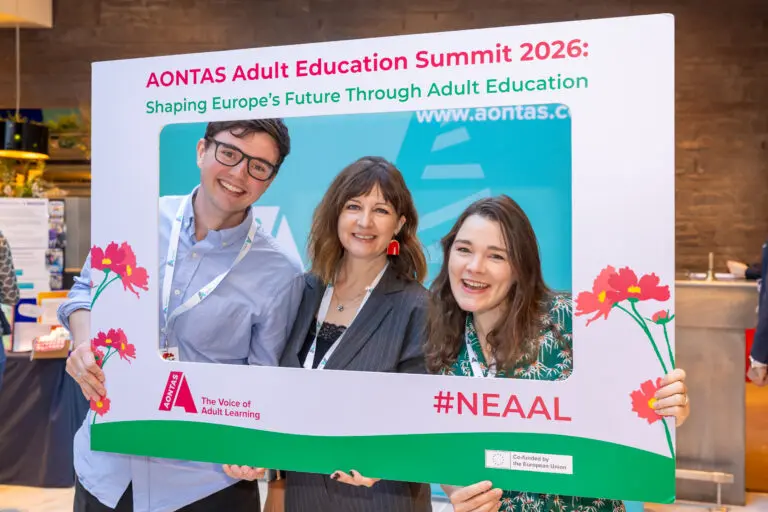
What should the future look like, and how can adult learning help us shape it?
That was the question we put to everyone who joined us at the AONTAS Adult Education Summit in Dublin on 21 and 22 October. It feels particularly urgent while Ireland holds the Presidency of the Council of the European Union and Europe goes through rapid technological change, demographic shifts, climate change, growing inequality, misinformation and increasing political and social division.
This question ran through two days of workshops, performances, research presentations and debate. One message emerged clearly: adult and community education plays a vital role in sustaining democracy, but its potential as a force for inclusion, peace and social cohesion requires sustained commitment and investment.
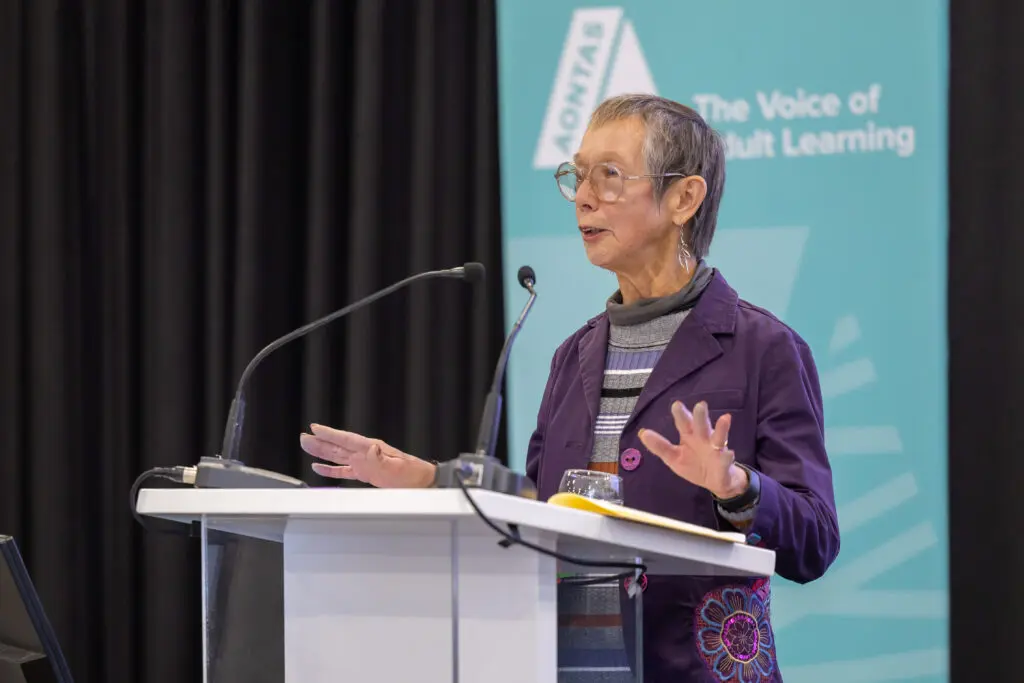
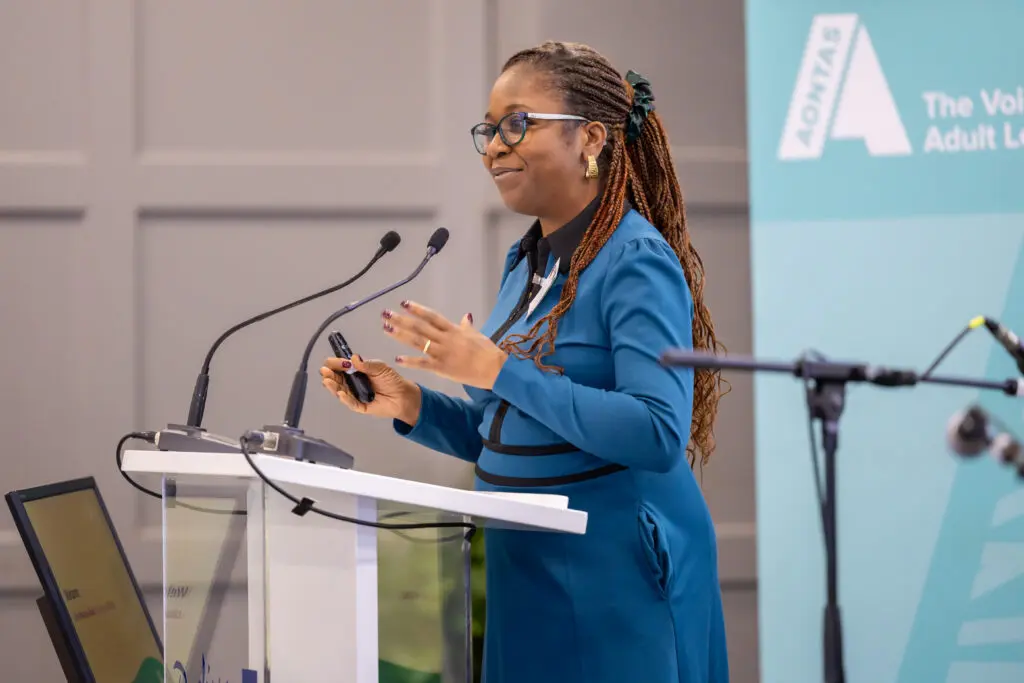
Speaker after speaker made the same case in their own words. Drawing on themes associated with Paulo Freire and the Pedagogy of Hope, Professor Lyn Tett of the University of Edinburgh argued that community education creates hope by challenging fatalism. It enables learners to “believe that change is possible, to act on issues affecting their lives and to challenge solutions imposed without their participation”.
Professor Ted Fleming of Maynooth University went further, describing democracy not simply as a political system but as a way of being in relationship with others. Too often, he said, decisions follow the pattern of deciding first and talking later. Adult education offers another model: talk first, decide second.
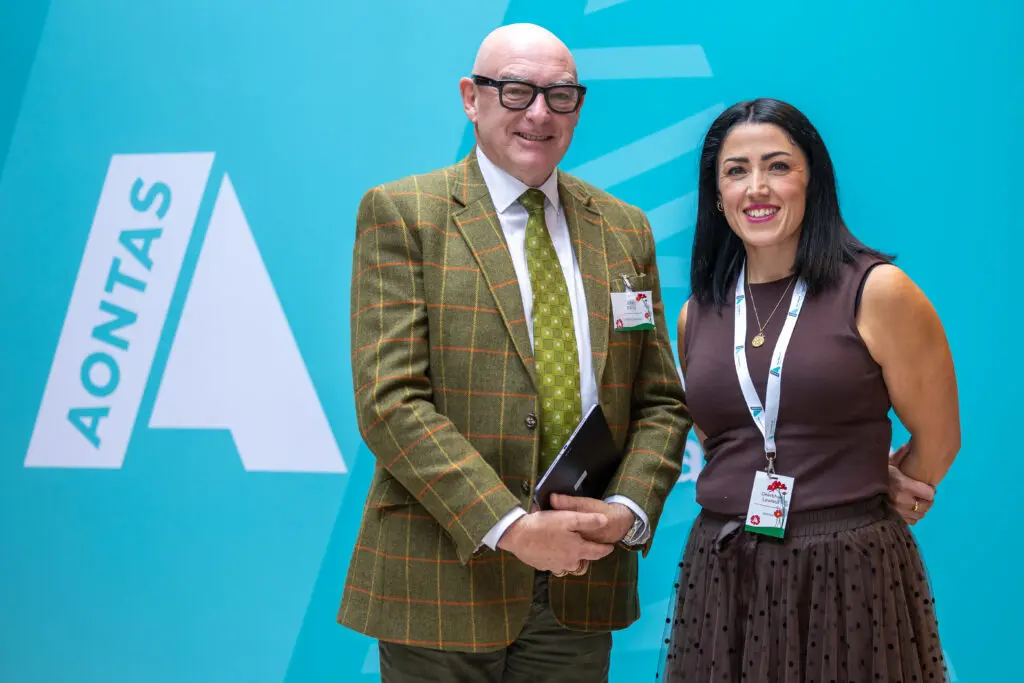
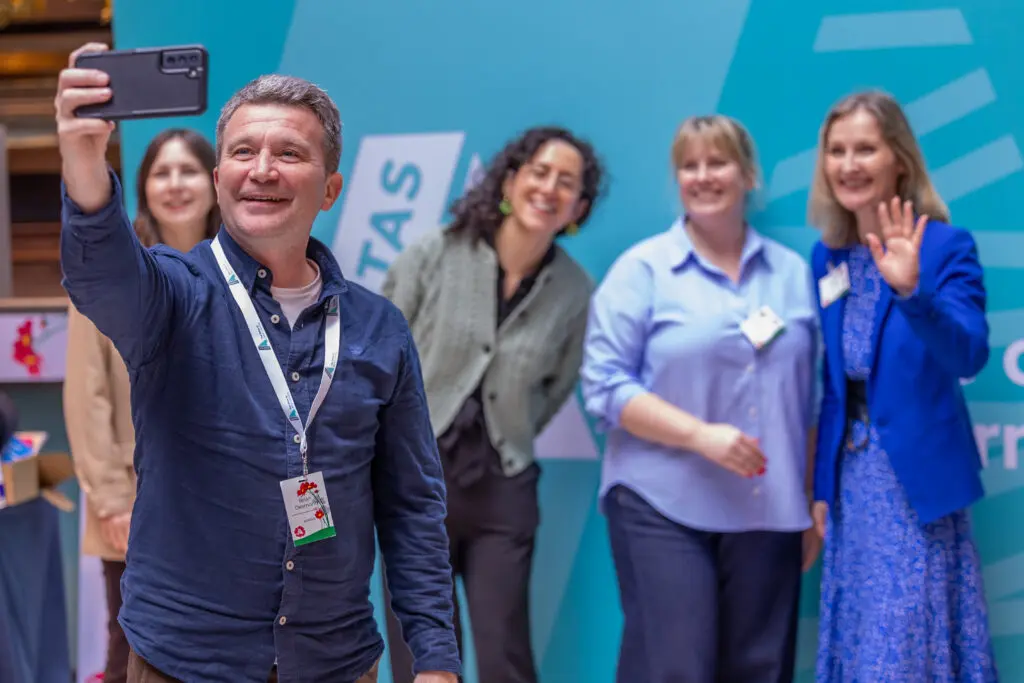
What learners told us
The Summit opened, as it should, with learners. In a short film, adults described how education had helped them find their voice, build confidence and become advocates for themselves and others.
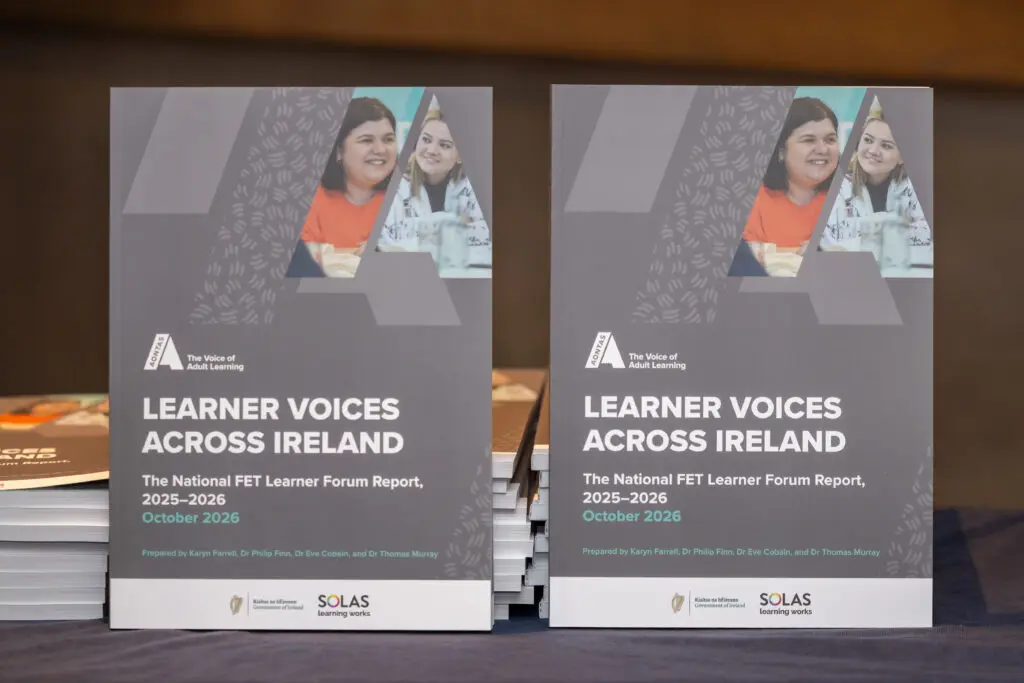
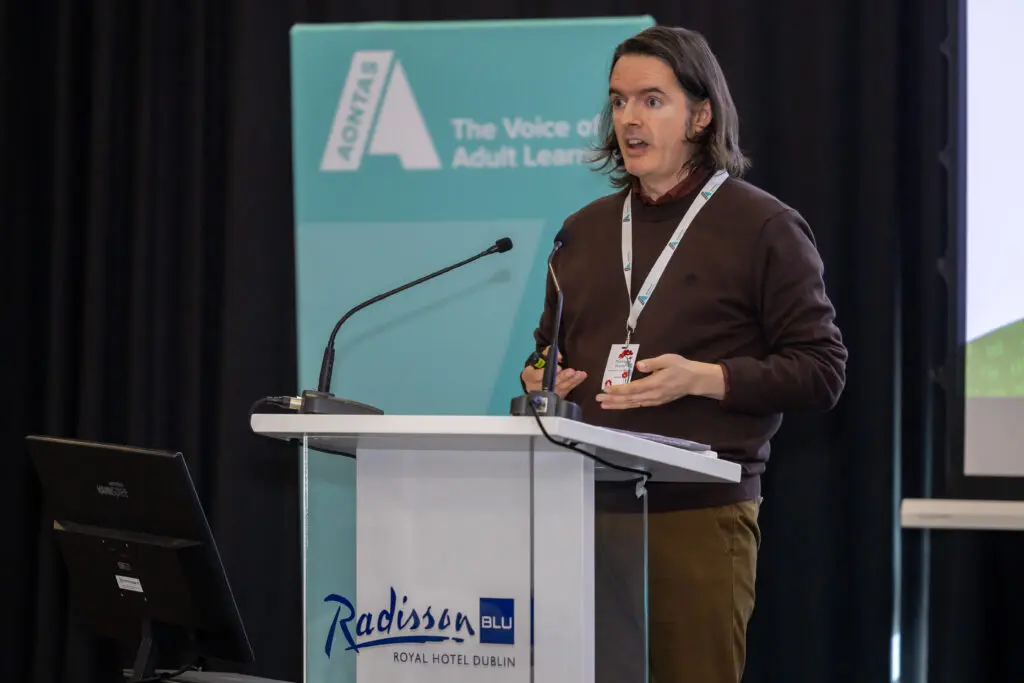
Those stories were backed by evidence. Our research team launched Learner Voices Across Ireland, the report of the National Further Education and Training (FET) Learner Forum, which has engaged more than 16,000 learners since the initiative began. Learners value being heard, with 99 per cent of participants saying they enjoyed taking part, but they want to see change resulting from their contributions. They pointed repeatedly to travel costs, mental health, disability access and the need for better guidance and progression routes.
Professor Lyn Tett explained why these findings matter. Policy often measures skills and employment outcomes, but learners tell us they value confidence, self-belief, agency and belonging. Community education, she said, builds resilience and social capital, supports health and wellbeing, and gives people practice in dialogue, cooperation and self-advocacy.
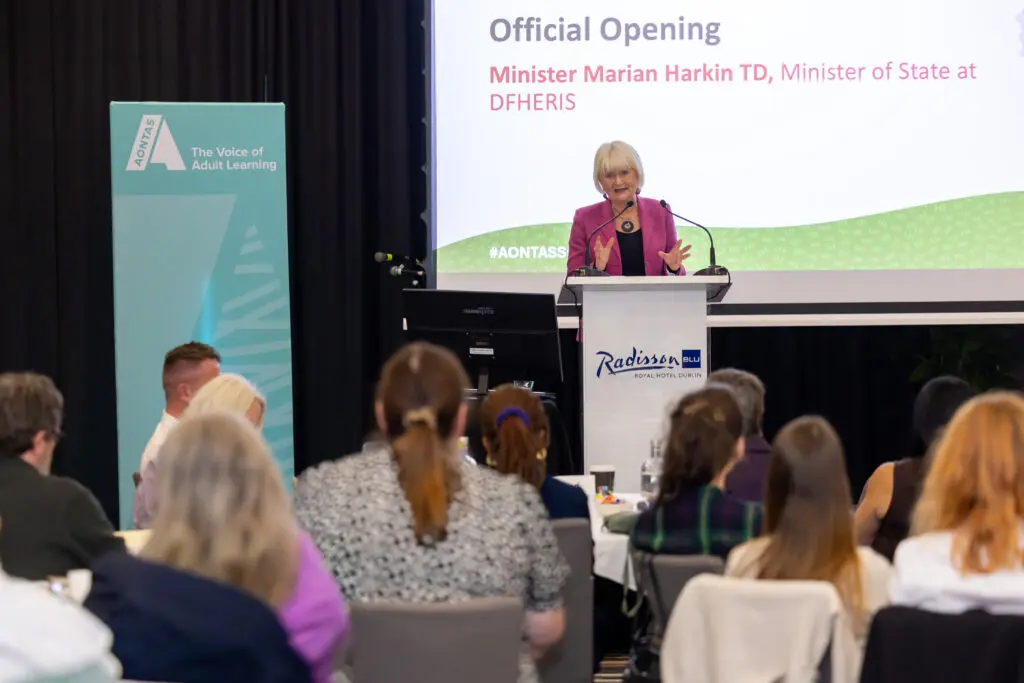
Minister of State Marian Harkin of the Department of Further and Higher Education, Research, Innovation and Science (DFHERIS) opened our summit. She reflected on the value of adult education for learners.
“Adult learning supports skills development, strengthens social inclusion, promotes active citizenship and helps people participate fully in their communities and working lives. It contributes to individual opportunity while also supporting broader economic and social objectives.”
Speaking on the launch of the Learner Voices Across Ireland 2025-2026 report, she spoke of how the “findings demonstrate the positive impact that participation in learning can have on people’s lives and also points to the strength of teaching and learning across the sector.”
Knowledge from the margins, the missing voice of adult education
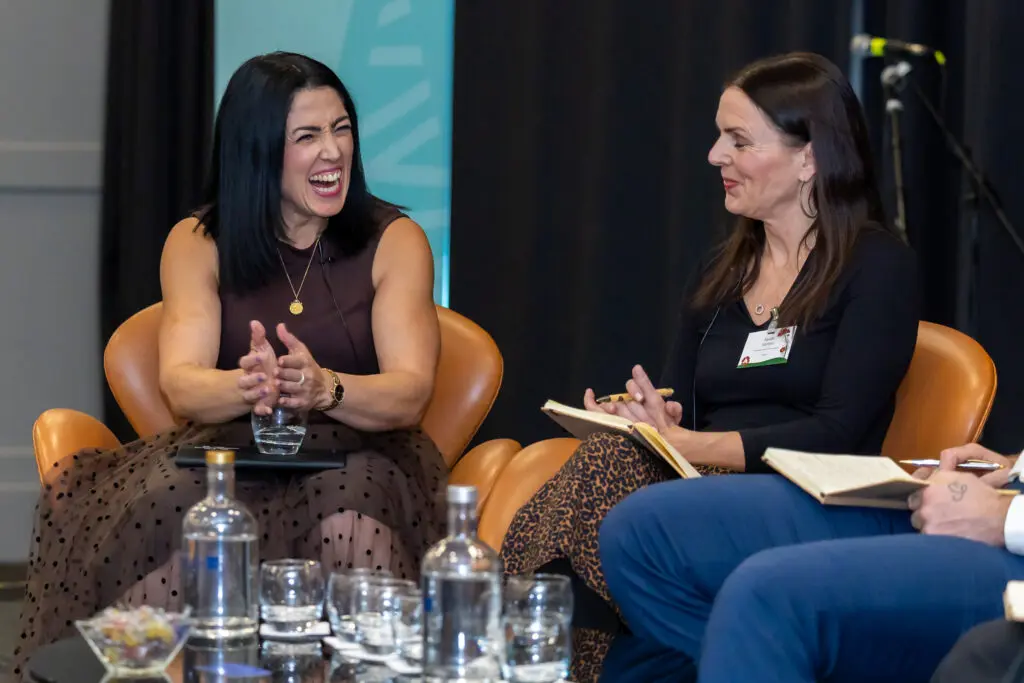
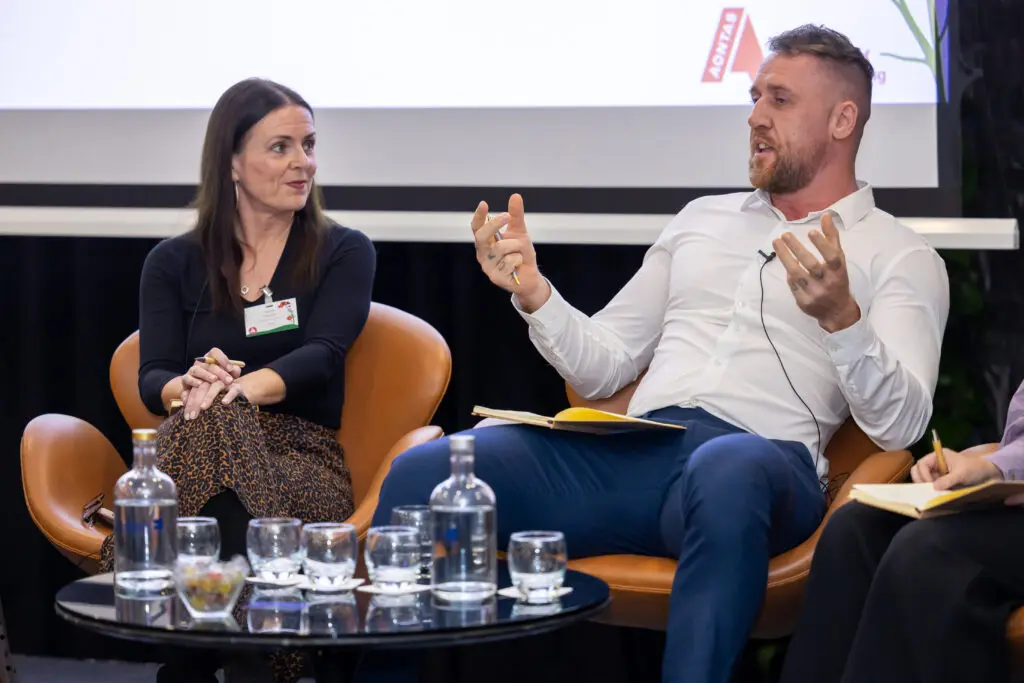
If adult education matters to democracy, then it needs a place in the policy conversations that shape our future. That was the heart of our panel discussions on the National Convention on Education, where conversation focused on primary and post-primary schooling and the transitions into further and higher education, leaving adult and community education largely outside the conversation.
Dr Sarah Sartori, Higher Education Strategic Project Lead at Southeast Technological University, put it memorably: it is “impossible to redesign an entire house if you focus only on the living room”. Adult educators work with people who were pushed out of mainstream systems earlier in life, and from the margins they have developed practices the whole system can learn from, including co-designed programmes, trauma-informed approaches and critical pedagogy.
Lisa Kilbride, adult educator at the Dublin Adult Learning Centre, also reminded us that policy built only on categories and data can miss lived experience, and that dialogue and listening are democratic practices in their own right. Lisa told us that groups labelled marginalised are not marginal in community education: “In our centre […] they are the centre of the universe”.
This value was clear in the testimony of Robert Cullen, an adult learner and criminologist who leads the Success Stories Program across community and custodial settings. He warned that systems designed without those voices on the margins can reinforce inequalities and exclusion. Reflecting on his own experience of accessing community education, he challenged participants to consider how much individual and societal “potential is lost when such opportunities are unavailable”.
The panel also offered constructive ideas for policy. Fiona O’Byrne, Assistant Secretary General at DFHERIS, welcomed the evidence and advocacy from the sector and pointed to future developments including the review of the FET Act and the need for stronger links between research and policy. Continued engagement will be how these voices get heard.
The power of the in-between
Perhaps the most striking idea of the two days was Ted Fleming’s description of adult education as an in-between space: between learners and educators, between the past and the present, between old ideas and new possibilities. It is in that space, he suggested, that we can hold tensions, engage with complexity and imagine alternative futures. Learning, in his words, is the search for meaning, turning experience into understanding.
What makes these spaces generative is dialogue. Ted spoke of adult education as a place to practise democracy through conversation, reflection, debate and collective problem-solving. Lisa Oelschlegel, an independent researcher and 2026 Adult Learner journal author, told us that changemakers are not exceptional individuals but ordinary people doing important things together, in what she called dialogic brave spaces where hope and agency can grow.
This benefit spans the personal and the political. Ted argued that the confidence that comes from taking part in adult education is really about recognition: when people are recognised, they grow, participate in society and become themselves. This echoes the Learner Voices Across Ireland findings, where learners described positive learning environments as places where they felt included, respected and recognised.
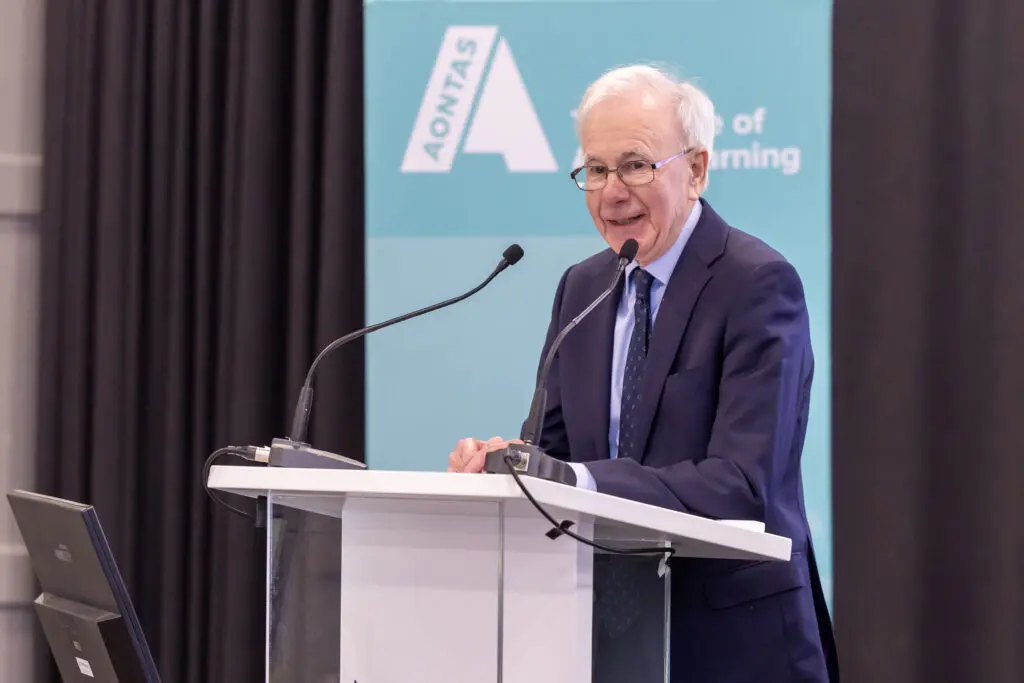
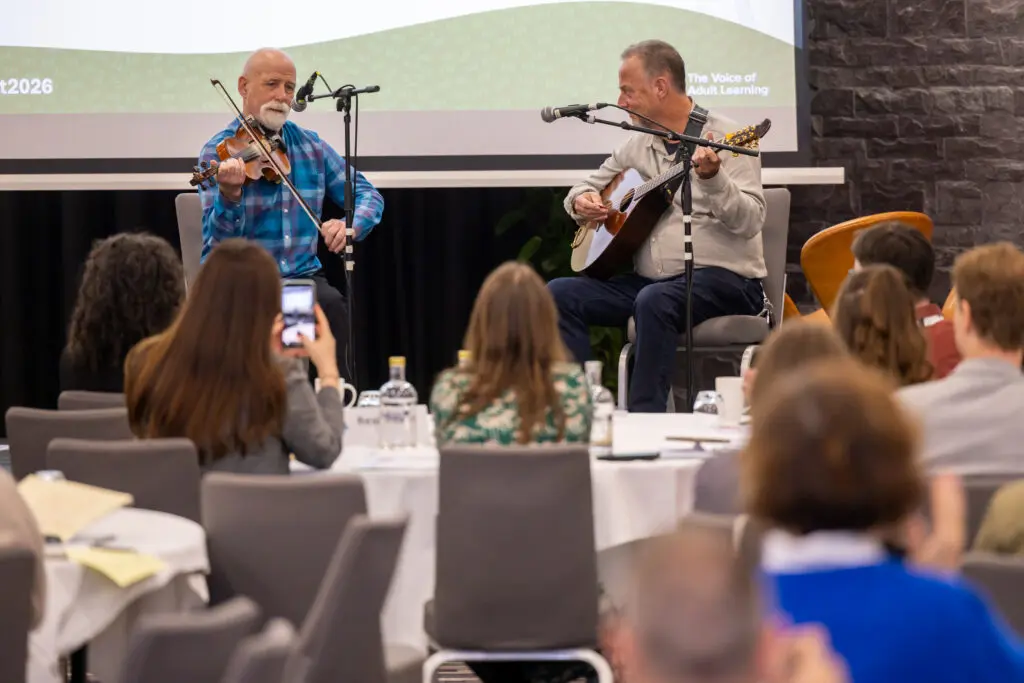
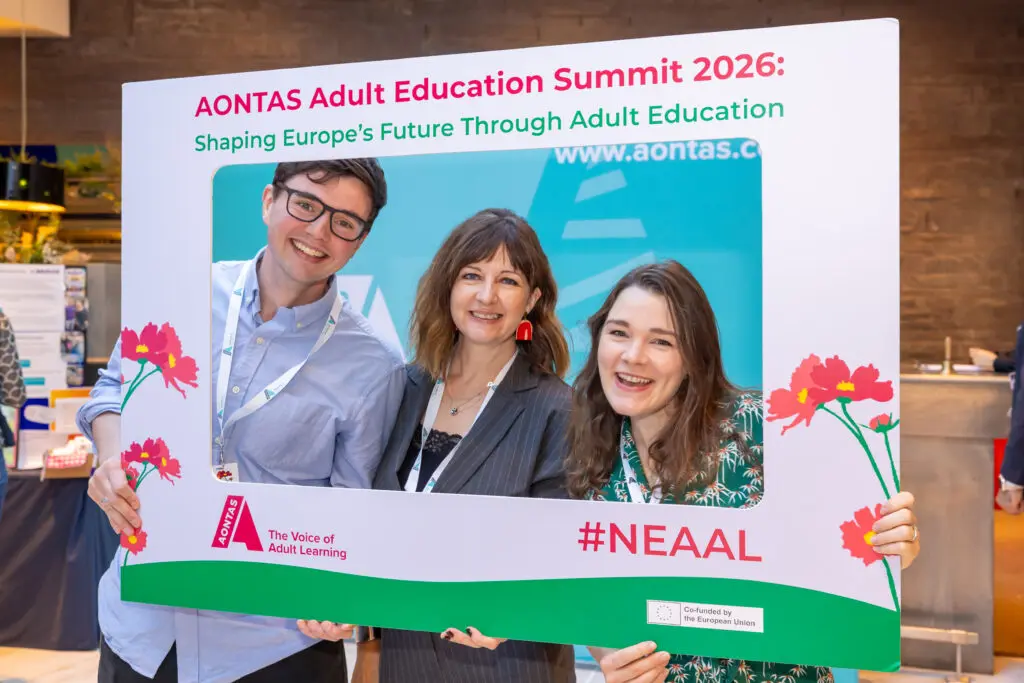
In his opening remarks, our Chair John D’Arcy pointed to the cosmos flowers on the Summit branding, a symbol of harmony, peace and shared values, and asked the sector to offer an alternative to policy stories that talk only about security, competition and economic resilience. The experience of learners and the generation of shared values in “the in-between space of adult education” points the way to a shared future that includes us all.
A European conversation, and what comes next
Minister James Lawless of DFHERIS opened the second day with a video address, saying: “Adult learning changes lives, it can open a door to employment, career progression or further study. However, its impact goes much further, it builds confidence, strengthens communities and enables people to participate more fully in society”
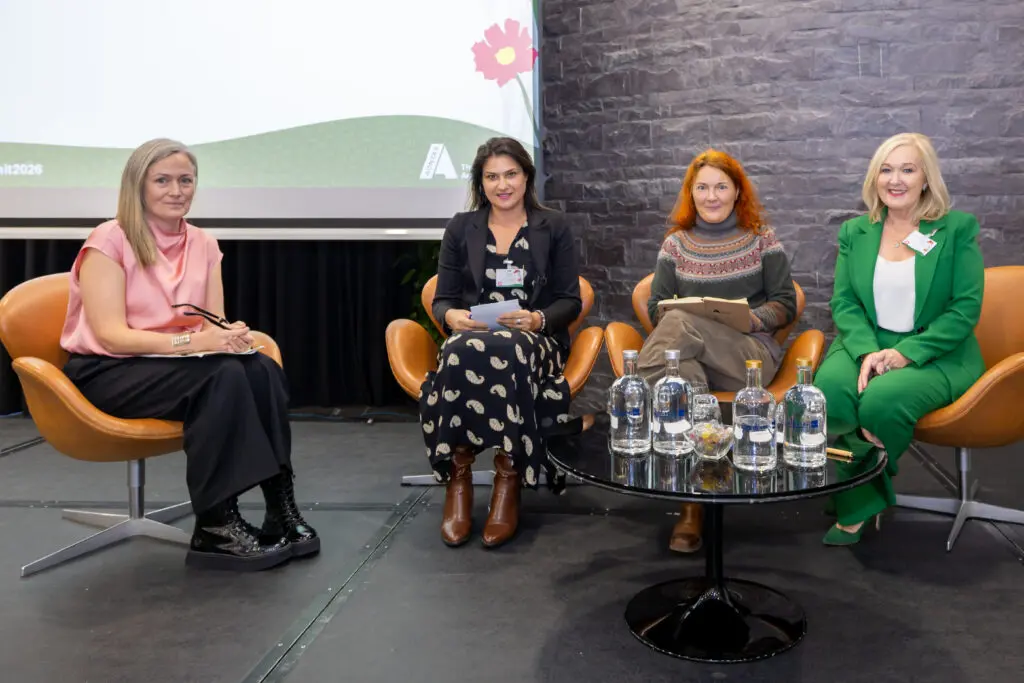
Colleagues from Denmark, Northern Ireland, Serbia and Sweden then joined us to look at adult learning across Europe. Their concerns were strikingly similar.
Felicia Hedström, Principal of Jakobsberg Folk High School, Sweden, invited attendees to experience learning through dialogue and active listening.
Pia Seidler Cort, Associate Professor at Aarhus University, expressed concern about the narrow focus on skills, employability and labour market outcomes. While these are important, she questioned whether adult education’s wider value is being lost and asked how to capture its value when the benefits are social, democratic and personal rather than purely economic.
Dr Vesna Fabian, Assistant Director of the Serbian National Qualifications Framework, called for lifelong learning to be matched by life-wide learning, across work, family, community, culture and citizenship, that is inclusive for diverse groups of learners no matter their needs or goals. Her vision was of an open and accessible educational system that supports active participation in society and work.
Kathleen O’Hare, Chair of the Northern Ireland Skills Council, spoke about the power of community education to offer spaces where people experience dignity, connection and purpose, and to open alternative pathways for participation for those who feel excluded. She described the impact of civic leadership in Derry, where community groups and activists came together through adult education to learn how to organise and create change. She strongly endorsed cross-border collaboration and the development of learning opportunities for youth on the margins.
Throughout, Denise Shannon, Adult Literacy Organiser at City of Dublin ETB, chaired the panel with great skill, weaving together Ireland’s own policy history, from the 2000 White Paper on Adult Education, Learning for Life, with current European developments.
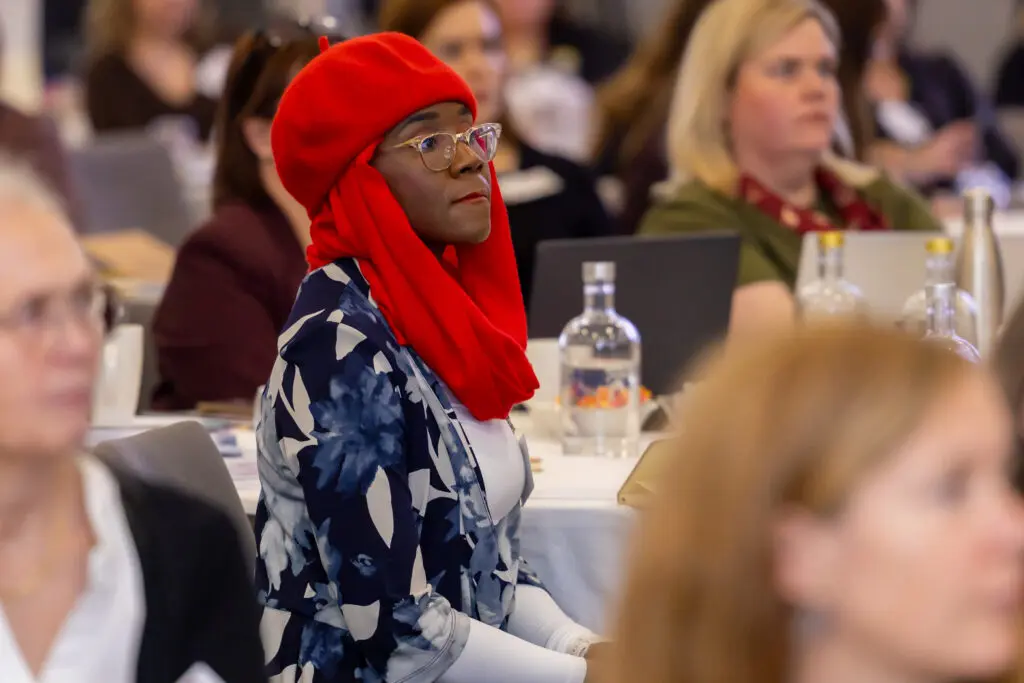
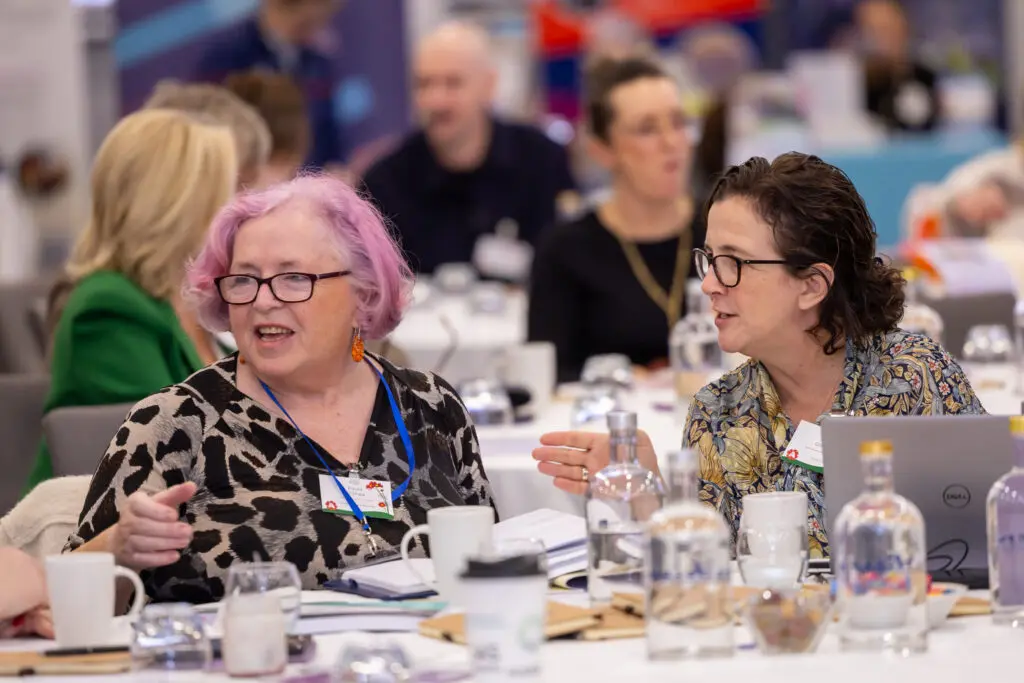
These engaging contributions were balanced with opportunities to share knowledge and learning in workshops on learner voice, the development of research networks and community wealth building across the two days. Catherine Shipman MBE of Southeastern Regional College drew on SERC’s learner voice journey to explore how a national learner voice network might work. Martha Bolger, Director of Further Education and Training at Kilkenny and Carlow ETB, and Dr Eve Cobain of AONTAS asked participants to help shape a FET research network. Seán McCabe and Katlyne Armstrong of Bohemian Football Club led a session on community wealth building, showing how wealth, ownership and decision-making can stay rooted in local communities.
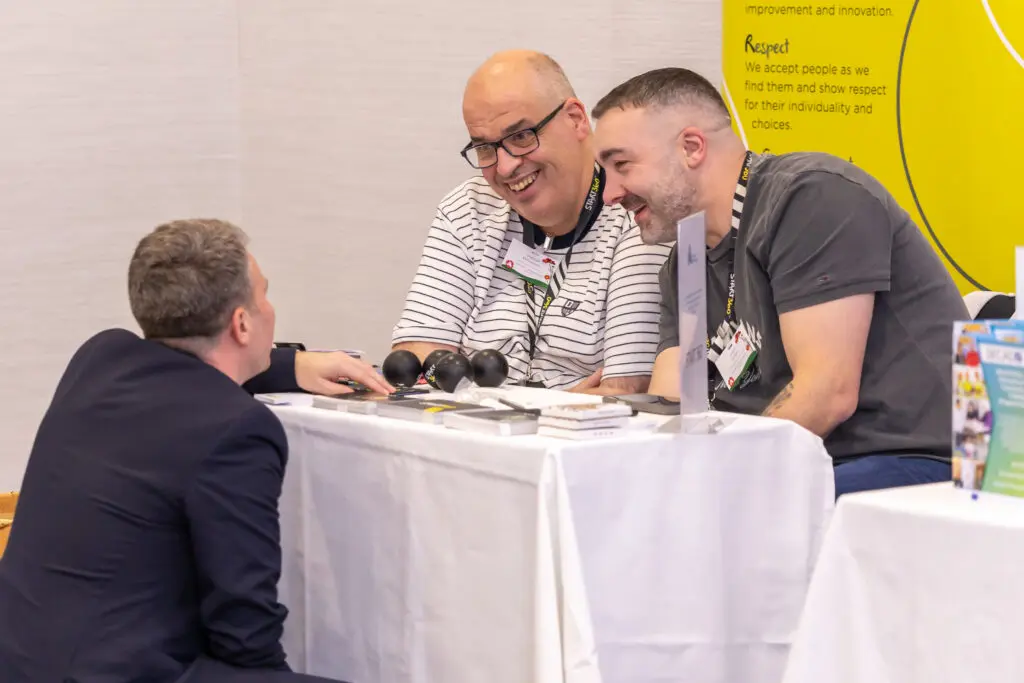
Alongside the programme, the exhibition space showcased community education providers and national organisations, including the Learners as Leaders stand, where participants shared the projects they are developing in their communities.
Colm O’Reardon, Secretary General of DFHERIS, captured the value of coming together to share knowledge and reflect, closing the Summit by returning to the motto of Ireland’s Presidency, Ní neart go cur le chéile: there is no strength without unity. Unity, he argued, requires conversation, understanding and participation, and adult education creates the spaces where those happen.
Knowledge from the margins, learner experiences and the expertise of educators must be central to the decisions we make, nationally and at European level. The in-between and marginal spaces that adult education creates are where we practise dialogue and uphold the values that a shared future depends on. We will keep making that case during Ireland’s Presidency, and we would love you to be part of it.
Summit presentations from our two keynote addresses by Professor Ted Fleming and Dr Lyn Tett, our session on Folk High Schools with Felicia Hedström, and a selection of workshop presentations are now available here.
News
The very latest news from the adult and community education sector
Blog
Reflection on AONTAS’s 2026 Summit: Shaping Europe’s Future through Adult Education
4 November 2026
Reflection on AONTAS’s 2026 Summit: Shaping Europe’s Future through Adult Education Written by Rebecca Jackson Published on November 4, 2026...
Blog
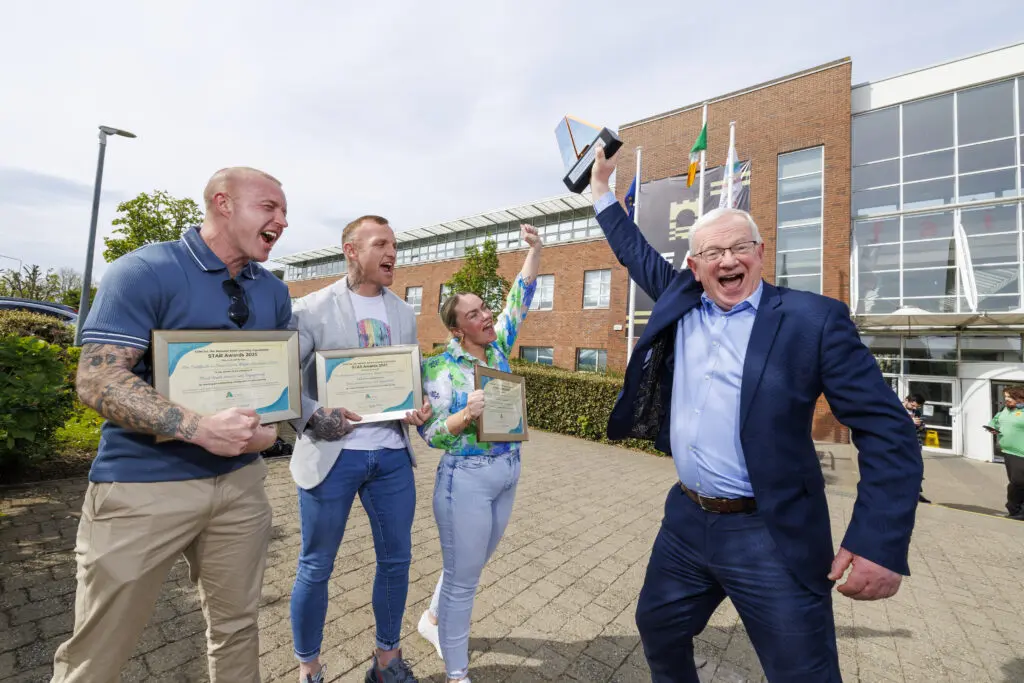
The People Behind the STAR Awards: Third-Level Access & Engagement
20 October 2026
The People Behind the STAR Awards: Third-Level Access & Engagement Written by Brian Desmond Published on October 20, 2026 Share...
News
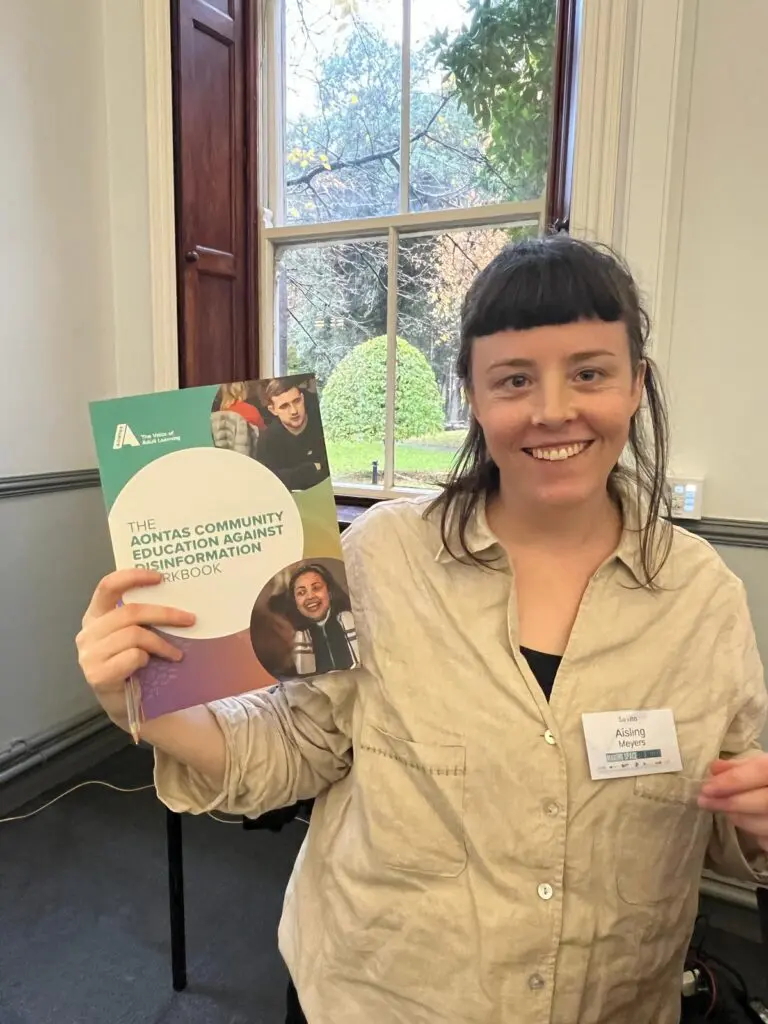
AONTAS Community Education Against Disinformation Project Nominated for Media Literacy Award
16 October 2026
AONTAS Community Education Against Disinformation Project Nominated for Media Literacy Award Written by Rachel Ryan Published on October 16, 2026...
Blog
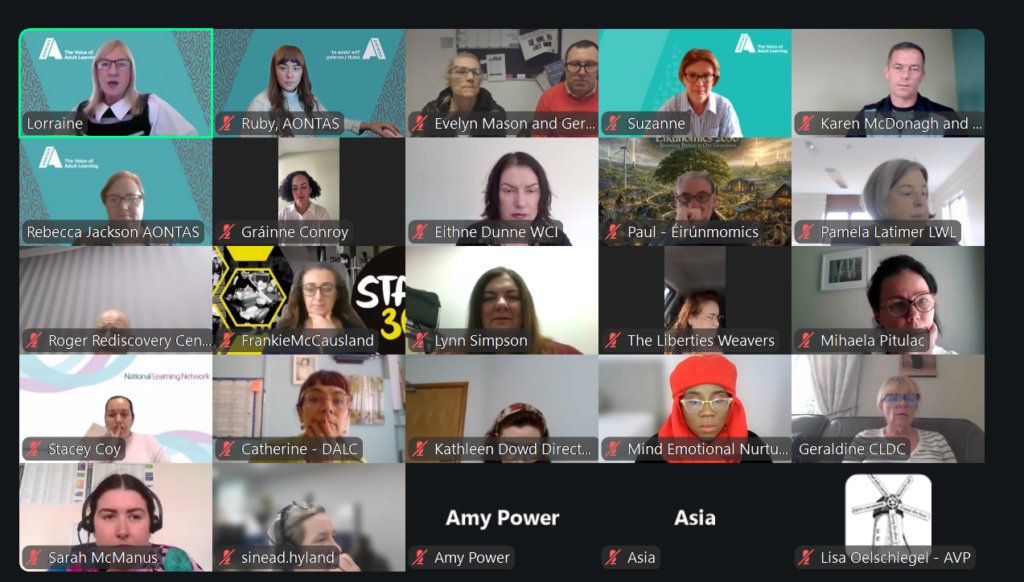
Beyond Funding: Building Capacity, Skills and Expertise for Lasting Change Through the AONTAS Community Education Network
9 October 2026
Beyond Funding: Building Capacity, Skills and Expertise for Lasting Change Through Our Community Education Network Written by Lorraine O’Connor Published...
Blog
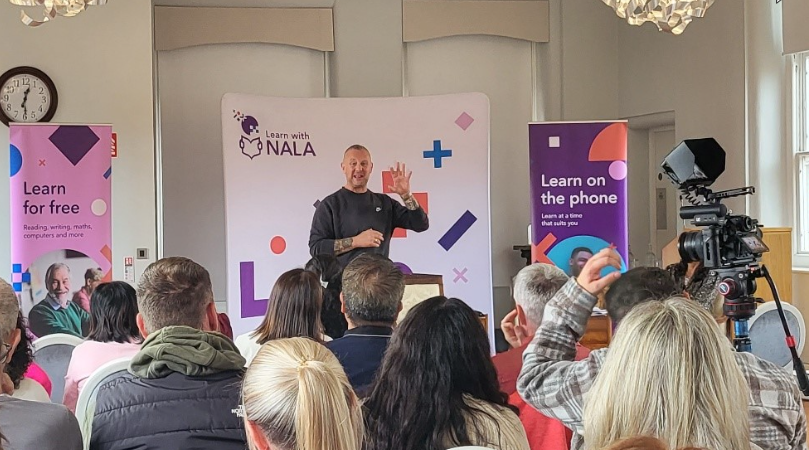
Reducing Barriers with Learn with NALA Accreditation
9 October 2026
Reducing Barriers with Learn with NALA Accreditation Written by Brian Desmond Published on October 9, 2026 Share This Attended by...
Blog
The People Behind the STAR Awards: Social Change
9 October 2026
The People Behind the STAR Awards: Social Change Written by Brian Desmond Published on October 9, 2026 Share This (Part...